
Intervista esclusiva al compositore Marcelo Zarvos

La musica per film ci riporta ad uno stato d’animo primordiale - Intervista esclusiva a Marcelo Zarvos
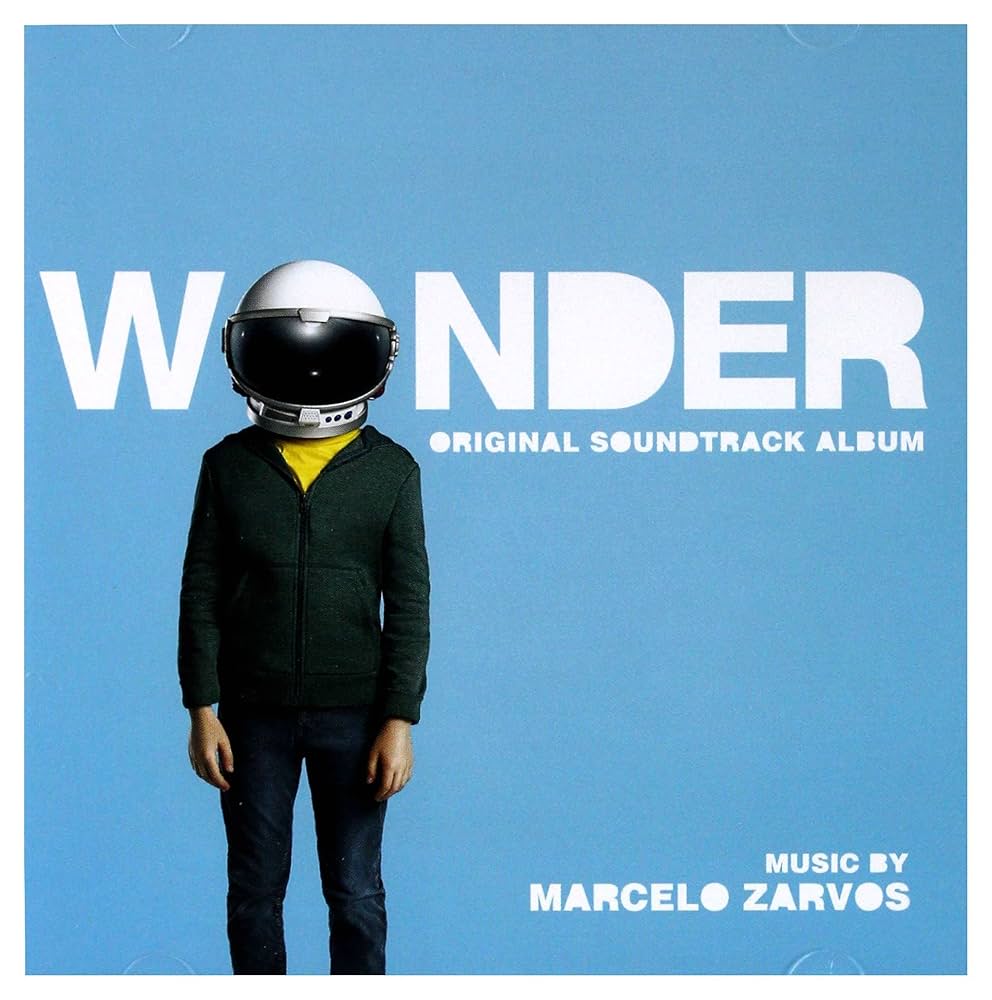
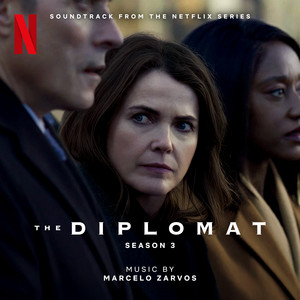
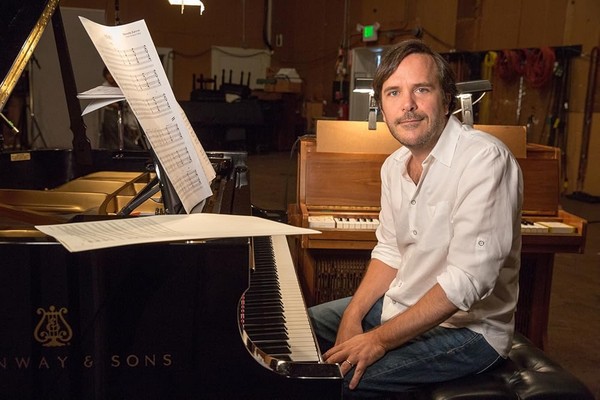
Il 56enne compositore Marcelo Zarvos si è distinto nel panorama della musica applicata alle immagini per le colonne sonore di multisfaccettati generi cine-televisivi, quali, in primis, i film Hollywoodland, The Good Shepherd – L’ombra del potere e Wonder e la serialità di The Affair: Una relazione pericolosa, Ray Donovan e The Diplomat. Ultimamente si è risentito parlare di lui per lo score per il film d’animazione dal successo globale KPop Demon Hunters, il più visto nella storia della piattaforma Netflix, la cui soundtrack ha ottenuto 4 candidature ai Grammy. Lo abbiamo contattato e ci ha regalato una chiacchierata ampia e sincera sulla sua carriera che ci ha sempre interessato particolarmente.
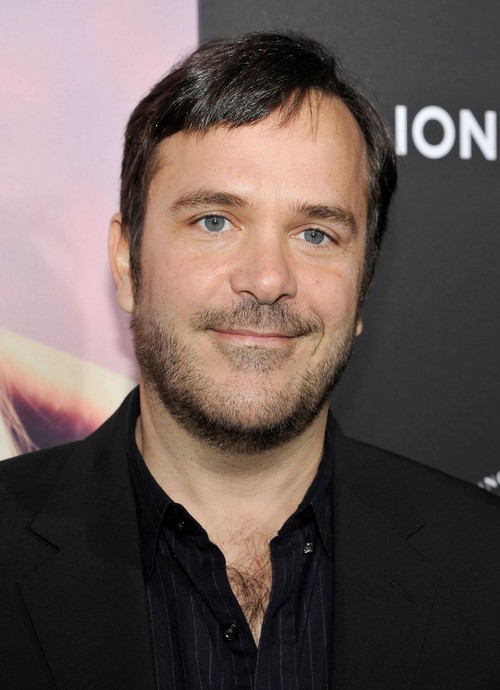
Colonne Sonore: Quando nasce la tua passione per il panorama musicale e più in dettaglio il tuo avvicinamento al mondo della musica applicata alle immagini?
Marcelo Zarvos: Mi sono innamorato della musica soprattutto attraverso le colonne sonore dei film. Da bambino, cresciuto in Brasile, ricordo di essere stato molto influenzato dai film della mia infanzia. C’era un’ampia varietà di stili, da colonne sonore fortemente elettroniche come Blade Runner e Momenti di gloria a quelle più tradizionali come Il Padrino, Mission e Taxi Driver. Sono molto interessato a ciò che non viene mostrato sullo schermo e, a posteriori, credo che le colonne sonore che hanno catturato la mia immaginazione abbiano funzionato in modo molto simile. I compositori che mi hanno ispirato di più all’inizio sono stati Nino Rota, Ennio Morricone, Bernard Herrmann, Vangelis e Georges Delerue. E una colonna sonora che mi ha letteralmente fatto venire voglia di iniziare a suonare il pianoforte è stata La Stangata, con musiche di Scott Joplin adattate dal grande Marvin Hamlisch.
CS: Hai una carriera che inizia nel 2000 con il film drammatico Tully e dopo ben 25 anni e un centinaio di titoli, attraversando musiche per corti, serie TV e lungometraggi di differenti generi, ritieni di aver ottenuto ciò che desideravi da questo universo musicale peculiare e di aver concretizzato un tuo stile, facilmente riconoscibile dai fan delle colonne sonore? Se sì, qual è, tra le tue innumerevoli score, quella che più ti rappresenta tematicamente?
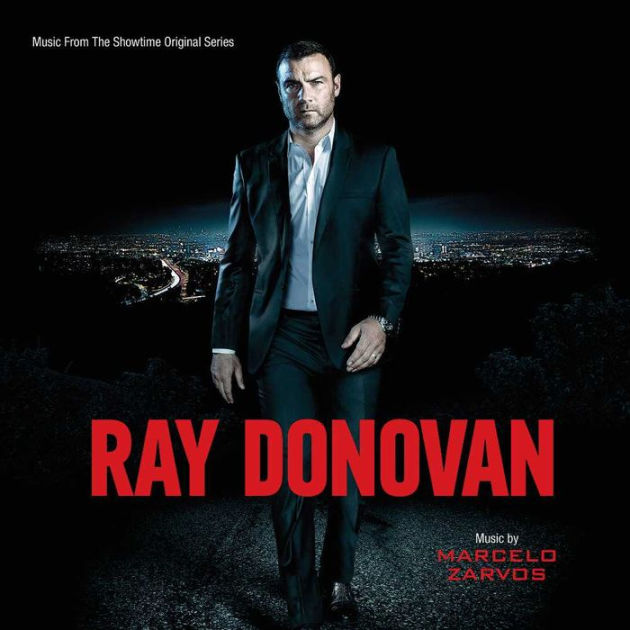
MZ: Beh, mi piace pensare che le mie colonne sonore migliori debbano ancora arrivare! Ho avuto la fortuna di poter lavorare su una vasta varietà di generi e formati, come hai sottolineato. Il mio obiettivo è sempre quello di servire la storia e plasmare la mia personalità a seconda delle esigenze. Credo che ci sia un filo conduttore nelle mie colonne sonore, ma per fortuna sono riuscito ad ampliare ulteriormente il mio raggio d’azione stilistico. Per come la vedo io, il compositore è un membro invisibile del cast, e la nostra “interpretazione” può spaziare da un sussurro molto discreto a un monologo urlato, e qualsiasi cosa nel mezzo. Segnalerei The Door in The Floor, The Good Shepherd – L’ombra del potere, Sin Nombre, Wonder, Barriere (Fences) e Non dico altro (Enough Said) come alcuni dei miei film preferiti. Per la TV, direi che The Affair: Una relazione pericolosa, Ray Donovan e The Diplomat sono quelli che ritengo rappresentino meglio la mia voce di compositore.
CS: Sei nato in Brasile nel 1969, precisamente a San Paolo, ma da molti anni risiedi e lavori nel Nord America. Cosa ti sei portato in valigia delle tue origini dal punto di vista compositivo e umano che ancora oggi influenza il tuo modo di lavorare sulle immagini?
MZ: Sono profondamente suggestionato dalla musica brasiliana, in particolare dalle opere di Antonio Carlos Jobim, Heitor Villa Lobos ed Egberto Gismonti, così come dalla straordinaria musica folk brasiliana, che ha avuto una grande influenza anche sui compositori che ho menzionato sopra. Sento che il mio lavoro è una combinazione di angoscia e melodie mediterranee (derivanti dalla mia eredità greca) e del battito cardiaco e del calore della musica afrobrasiliana. E naturalmente dalla musica del Nord America, dove risiedo da molto tempo: il jazz è una grande influenza, così come da compositori classici come Aaron Copland, Philip Glass, Steve Reich e Morton Feldman. Sono stato anche molto condizionato da artisti elettronici degli anni ‘70 come Vangelis, Jean-Michel Jarre, Kraftwerk e Joe Zawinul dei Weather Report, solo per citarne alcuni.
CS: Nel tuo carnet compositivo si palesano a gran voce serie TV importanti quali The Big C (Id., 2010 – 2013), Z: L’Inizio di Tutto (Z: The Beginning of Everything, 2015 – 2017), Ray Donovan (Id., 2013 – 2020) e The Diplomat (ID., 2024 – 2025). Ti trovi più a tuo agio nel comporre per la serialità e le sue trame che si sviluppano di episodio in episodio sulla lunga durata temporale o per l’istantaneità di un plot con inizio e fine dalla durata classica di un film?
MZ: Mi piacciono entrambi. Scherzo dicendo che i film sono come storie d’amore e la TV è più come un matrimonio. Quando ho iniziato lavoravo principalmente al cinema, perché la musica per la TV era ancora considerata di qualità inferiore. Ma le cose sono cambiate completamente e ora direi che si possono trovare lavori incredibili in entrambi i media. Ma se dovessi scegliere, direi che preferisco ancora il cinema per la quantità di dettagli (e di tempo!) con cui un compositore può lavorare.
CS: Hai conquistato molte nomination e premi, tra cui Primetime Emmy, Hollywood Music In Media Awards, Online Film & Television Association e Latino Entertainment Journalists Association Film Awards. Quanto è considerevole nella carriera di un compositore per immagini ricevere candidature e ottenere riconoscimenti per il proprio lavoro?
MZ: I premi sono ovviamente sempre un grande onore e fanno parte del settore, ma non direi che siano in alcun modo una motivazione primaria per me. Amo il cinema e il processo di collaborazione con i registi, la sfida di trovare la soluzione musicale per un progetto. Adoro il dialogo che si crea con registi, show runner e montatori in particolare. E sono anche molto interessato all’influenza reciproca di culture diverse. Amo lavorare a progetti che possano mostrare allo spettatore (e a me stesso come autore) una prospettiva diversa. Qualcosa che ci porti fuori dalla nostra zona di comfort.
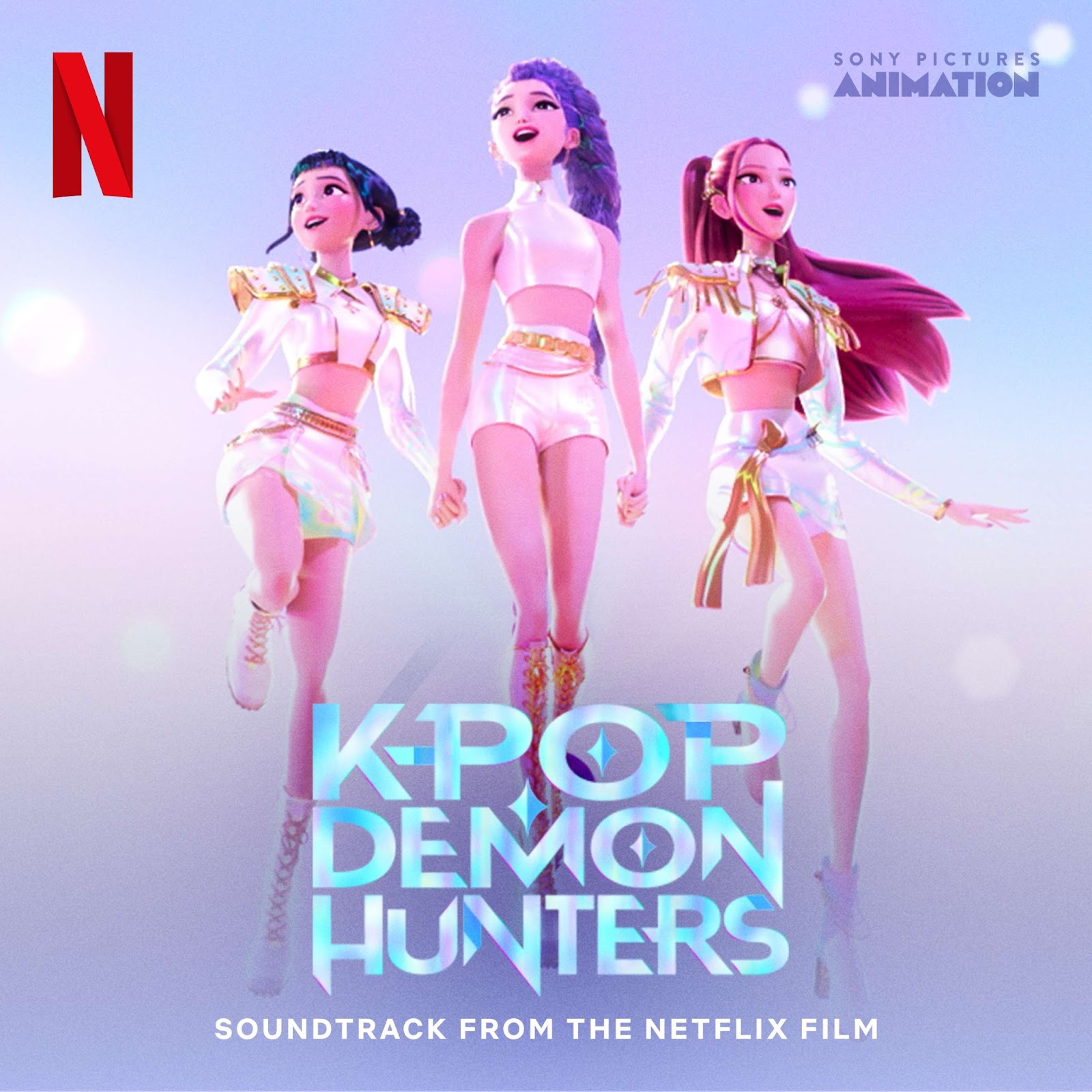
CS: Quest’anno hai scritto le musiche originali del grande successo mondiale di KPop Demon Hunters, il film d’animazione originale Netflix più visto nella storia della piattaforma streaming, la cui colonna sonora ha ricevuto 4 candidature ai Grammy. Hai qualche aneddoto riguardo la composizione per questo ‘caso’ filmico globale?
MZ: KPop Demon Hunters è nato dal nulla per me. Come sapete, i film d’animazione possono richiedere più di 5 anni (7 nel caso di KPDH), ma sono arrivato quasi alla fine e ho completato la colonna sonora in un mese. È stata una vera emozione e gioia per me, dato che cercavo di comporre la colonna sonora di un film d’animazione da molti anni, e il fatto che il film abbia ricevuto così tanto successo è stata davvero la ciliegina sulla torta. Mi sono anche divertito molto a incorporare i motivi delle canzoni nella colonna sonora (anche questa una prima volta per me), così come elementi coreani nella strumentazione, e tutto quello che posso dire è che mi sento molto fortunato di aver preso parte a questo incredibile progetto.
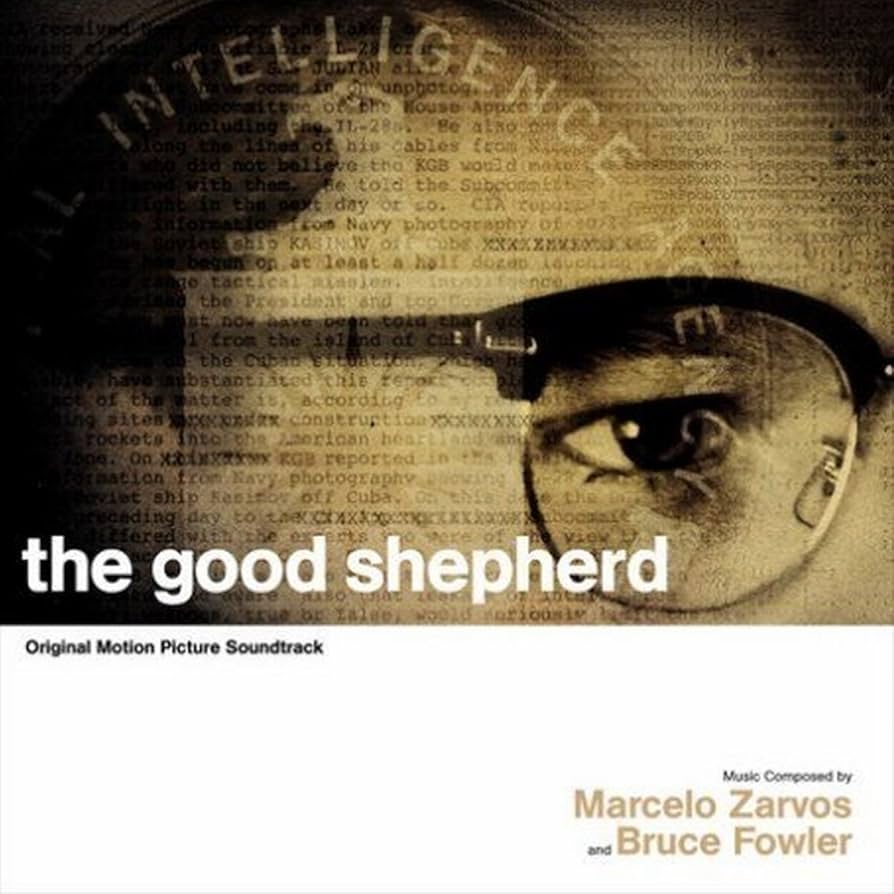
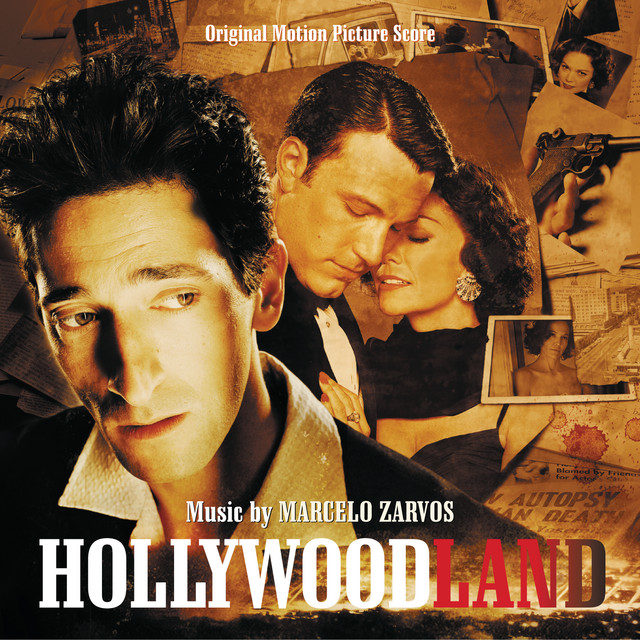
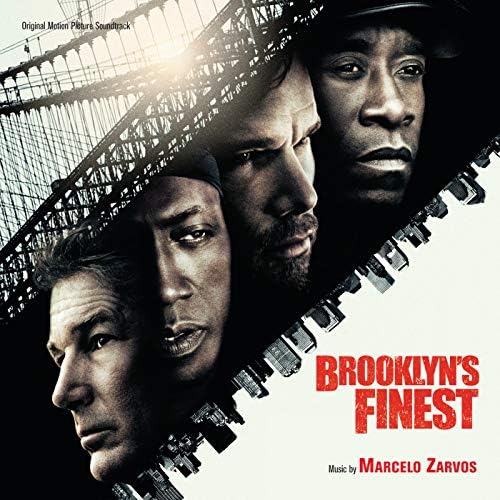
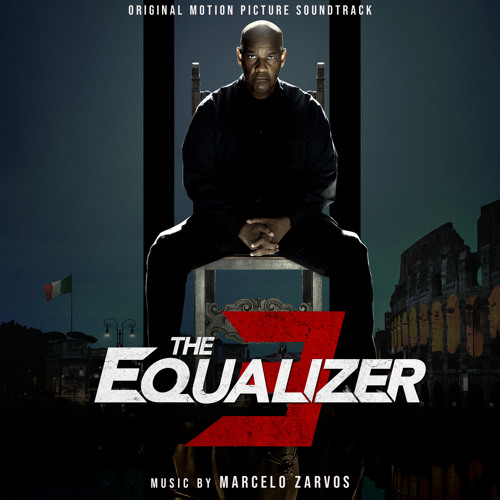
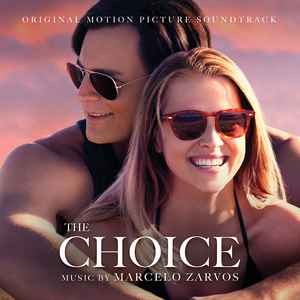
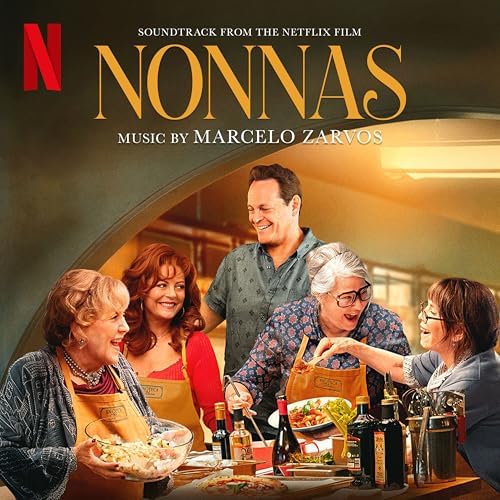
CS: Dicevo inizialmente che hai composto score per diversi generi cine-televisivi – vedi il crime Hollywoodland (Id. – 2006), il thriller spionistico The Good Shepherd – L’ombra del potere (The Good Shepherd, 2006) per la regia di Robert De Niro, la commedia satirica Disastro a Hollywood (What Just Happened, 2008), il poliziesco Brooklyn’s Finest (Id. – 2009), il dramma romantico La scelta - The Choice (The Choice, 2016), il dramma familiare di enorme successo al botteghino Wonder (Id. – 2017), l’action The Equalizer 3 - Senza tregua (The Equalizer 3, 2023), la commedia Nonnas (Id. – 2025) (vedi magazine su Soundtrack City), etc. –. Questa schizofrenia compositiva quanto giova alla tua ispirazione creativa?
MZ: Adoro cambiare marcia in modo creativo. Mi sento molto fortunato che la mia carriera abbia preso questa piega. Molti compositori possono essere stereotipati e non essere presi in considerazione per cose che magari non avevano mai fatto prima. Credo di aver iniziato a passare dal dramma alla commedia piuttosto frequentemente fin dall’inizio e se c’è una cosa che ho imparato è che bisogna trovare l’emozione in tutto ciò che si fa, che si tratti di un dramma molto triste, di una commedia o di un film d’azione. E sono stato molto fortunato ad imparare da alcuni dei migliori registi in circolazione. Se c’è un aspetto comune a tutti questi film è cercare sempre di cogliere l’inaspettato, sia nelle melodie e nelle composizioni, sia nell’approccio con cui la musica viene utilizzata.
CS: Se dovessi esprimere a parole il potere evocativo della musica per immagini, come lo descriveresti?
MZ: Per me la musica è come una pozione magica che inganna il nostro cervello, facendogli accettare le immagini che vediamo come reali. Anche se siamo seduti in una stanza buia o comodamente a casa davanti alla TV, credo che la musica in qualche modo suggerisca al nostro cervello (e alla nostra anima) di sperimentare ciò che vediamo in profondità, dentro di noi. E sebbene ci siano certamente esempi di grandi film senza musica di alcun tipo, credo che la musica da film ci riporti a uno stato d’animo primordiale. Penso spesso ai nostri antenati che raccontavano storie fin dai primi anni del Novecento e usavano suoni e musica per trasmettere ciò che volevano che il pubblico sperimentasse. Credo che la musica ci aiuti a tornare a questo stato d’animo primordiale con curiosità e meraviglia.
CS: Progetti in cantiere di cui puoi parlarci che ti stanno particolarmente a cuore?
MZ: Al momento sto lavorando alla quarta stagione di The Diplomat e molto presto uscirà un meraviglioso documentario intitolato Space Woman.
English Version:
Film Music Takes Us Back to a Primal State - Exclusive Interview with Marcelo Zarvos
Fifty-six-year-old composer Marcelo Zarvos has distinguished himself in the field of film music for his scores for a wide range of film and television genres, most notably the films Hollywoodland, The Good Shepherd and Wonder, as well as the series The Affair, Ray Donovan and The Diplomat. He has recently been in the news for his score for the globally successful KPop animated film Demon Hunters, the most-watched film in Netflix's history, and whose soundtrack received four Grammy nominations. We contacted him and he treated us to a wide-ranging and candid chat about his career, which has always interested us.
Colonne Sonore: When did your passion for music begin, and more specifically, your approach to the world of applied music to images?
Marcelo Zarvos: I feel in love with music mostly through film scores. As a kid growing up in Brazil I remember being very affected by the films of my childhood. It was a broad variety of styles, from heavily electronic scores such as Blade Runner and Chariots of Fire to more traditional ones like The Godfather, The Mission and Taxi Driver. I am very interested in what is not being shown in the screen and in retrospect I guess the scores that captured my imagination worked very much like that. The composers who really inspired me the most in the beginning were Nino Rota, Ennio Morricone, Bernard Herrmann, Vangelis and Georges Delerue. And one score that literally made me want to take up the piano was The Sting with music by Scott Joplin adapted by the great Marvin Hamlisch.
CS: Your career began in 2000 with the drama Tully, and after 25 years and a hundred or so titles, spanning short films, TV series, and feature films of various genres, do you feel you've achieved what you wanted from this unique musical universe and have developed your own style, easily recognizable to soundtrack fans? If so, which of your countless scores best represents you thematically?
MZ: Well, I like to think that my best scores are still ahead! I have been lucky to be able to work on a wide variety of genres and formats as you pointed out. My objective is always to serve the story and mold my personality to whatever is needed. I do think there is a common thread on my scores but luckily, I have been able to keep widening my stylistic scope. The way I see it the composer is an invisible member of the cast, and our “performance” can range from a very discrete whisper to a shouting monologue and anywhere in between. I would single out The Door in The Floor, The Good Shepherd, Sin Nombre, Wonder, Fences and Enough Said as some of my favorites on the film side. For TV, I would say The Affair, Ray Donovan and The Diplomat are the ones I felt represent my voice as a composer the best.
CS: You were born in Brazil in 1969, in São Paulo to be precise, but have lived and worked in North America for many years. What have you brought with you from your origins, both compositionally and personally, that still influences the way you work with images today?
MZ: I am deeply influenced by Brazilian music, particularly the work of Antonio Carlos Jobim, Heitor Villa Lobos and Egberto Gismonti as well as the amazing folk music from Brazil which was also a big influence on the composers I mentioned above. I feel my work is a combination of Mediterranean angst and melodies (from my Greek heritage) and the heartbeat and warmth of Afro Brazilian music. And of course the music of North America where I have resided for a very long time, Jazz is a big influence as well as classical composers such as Aaron Copland, Philip Glass, Steve Reich and Morton Feldman. I was also very influenced by electronic artists from the 19070s such as Vangelis, Jean Michel Jarre, Kraftwerk and Joe Zawinul from Weather Report to name a few.
CS: Your composing portfolio features prominently important TV series such as The Big C (2010–2013), Z: The Beginning of Everything (2015–2017), Ray Donovan (2013–2020), and The Diplomat (2024–2025). Are you more comfortable composing for series and their long-running storylines, or for the immediacy of a plot with a classic film-length beginning and end?
MZ: I do like both. I joke that films are like love affairs and TV is more like a marriage. When I started I mostly worked on film, as TV music was still considered to be of a lower quality. But that has changed completely and now I would say you can find incredible work in both mediums. But if I had to pick I would say I still prefer film for the amount of detail (and time!) a composer gets to work with.
CS: You've received numerous nominations and awards, including Primetime Emmys, Hollywood Music in Media Awards, Online Film & Television Association, and Latino Entertainment Journalists Association Film Awards. How significant is it in a film composer's career to receive nominations and recognition for your work?
MZ: Awards are of course always a big honor and part of the industry, but I wouldn't say they are in any way a prime motivator for me. I love film and the process of collaborating with filmmakers, the challenge of figuring out the musical solution for a project. I love the give and take that happens with directors, show runners and picture editors in particular. And I am also very interested in the cross influence of different cultures. I love working on projects that might show the viewer (and myself as a creator) a different perspective. Something that takes us out of our comfort zone.
CS: This year, you wrote the original music for the global hit KPop Demon Hunters, the most-watched Netflix original animated film in the streaming platform's history, whose soundtrack received four Grammy nominations. Do you have any anecdotes about composing for this global film phenomenon?
MZ: KPop Demon Hunters came out of nowhere for me. As you know, animated films can take upwards of 5 years (7 in the case of KPDH), but I came in very close to the end and completed the score in one month. It was such a rush and joy for me as I had been trying to score an animated film for many years, and the fact the film got so much love really was the icing on the cake. I also really had fun incorporating the song motifs in the score (also a first for me) as well as Korean elements in the instrumentation and all I can say is that I feel very blessed to have been a part of this incredible project.
CS: I mentioned earlier that you've composed scores for various film and television genres—see the crime drama Hollywoodland (2006), the spy thriller The Good Shepherd (2006) directed by Robert De Niro, the satirical comedy What Just Happened (2008), the crime drama Brooklyn's Finest (2009), the romantic drama The Choice (2016), the hugely successful family drama Wonder (2017), the action film The Equalizer 3 (2023), the comedy Nonnas (2025), etc.—How much does this compositional schizophrenia contribute to your creative inspiration?
MZ: I love changing gears creatively. I feel very lucky that my career has panned out this way. A lot of composers can get type cast and not be considered for things they might not have done before. I guess from the get go I was bouncing from drama to comedy quite frequently and if there is something I have learned is that you have to find the emotion in everything you do, whether its a very sad drama, a comedy or an action film. And I have been very fortunate to learn from some of the best directors around. If there is one common aspect of all these films is to always try to go for the unexpected, both in the melodies and compositions and the approach of how the music gets used.
CS: If you had to put into words the evocative power of music for images, how would you describe it?
MZ: For me music is like a magic potion that tricks our brain to accept the images we are seeing as real. Even though we might be sitting in a dark room or comfortably home in front of a TV, I believe music somehow tells our brains (and souls) to experience what we are seeing deeply within ourselves. And although there are certainly examples of great films with no music of any kind, I think film music brings us to a very primal state. I often think of our ancestors telling stories very early on and using sound and music to convey what they wanted the audience to experience. I think music helps us get back to this very primal state of mind with curiosity and wonder.
CS: Are there any projects in the works that you can tell us about that are particularly close to your heart?
MZ: I am currently working on the fourth season of The Diplomat and have a wonderful documentary called Space Woman coming out very soon.