
Intervista esclusiva ad Alex Heffes

Una luce improvvisa nella Film Music: Intervista esclusiva ad Alex Heffes
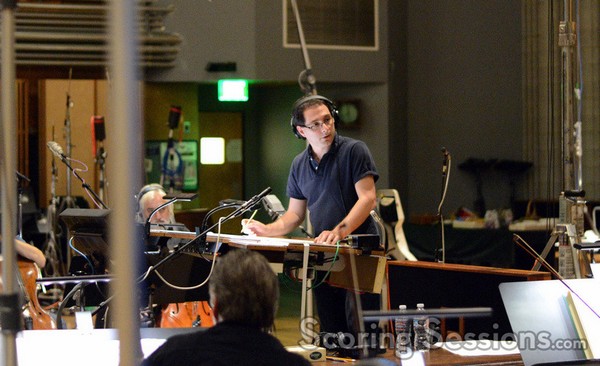
Il compositore inglese Alex Heffes (classe 1971), nominato ai Bafta e ai Golden Globe, è uscito sul mercato discografico da poco con il suo ultimo album “Sudden Light” (trad. “luce improvvisa”), su etichetta britannica Silva Screen Records. Nel comunicato stampa relativo a questa uscita sia CD che digitale di 17 brani viene menzionato che “nel 2018 il suo modo di suonare il pianoforte si è interrotto bruscamente a seguito di un incidente che gli ha lasciato una mano gravemente fratturata. La chirurgia e la riabilitazione lo hanno lasciato incapace di suonare completamente per un lungo periodo e gradualmente lo hanno portato quasi ad abbandonare lo strumento. Il suo ultimo album, Sudden Light è un viaggio musicale di riscoperta”. Un album solo pianistico dove Heffes rivede attraverso questo suo strumento d’elezione alcune delle sue colonne sonore più note e celebrate. Lo abbiamo incontrato per parlare della sua brillante carriera, iniziata a metà degli anni Novanta e ad oggi annoverando più di una sessantina di titoli tra film, serie tv e documentari.

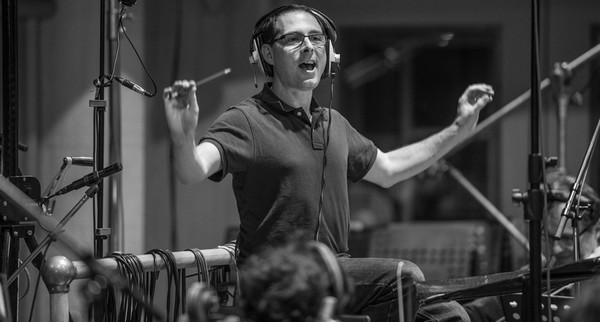
Colonne Sonore: Ci racconti in che modo i tuoi studi e le tue passioni musicali (i tuoi compositori o cantanti o gruppi preferiti) ti hanno influenzato a tal punto da diventare un compositore di musica applicata alle immagini?
Alex Heffes: Inizialmente il mio background era piuttosto classico, anche se quello che mi ha davvero attratto dalla musica è stato vedere Star Wars al cinema nel 1977! Sono tornato a casa e ho cercato di individuare la melodia e l’armonia del pianoforte. Era davvero l’armonia che mi intrigava di quella melodia. La melodia era così grande che potevo capirla all’istante, ma cercare di capire l’armonia di John Williams non è così facile, specialmente per un bambino di 7 anni. Riesce ad armonizzare grandi melodie in un modo profondo e complesso ma non dà quell’impressione perché sostiene perfettamente la melodia. Più tardi, dopo tutti i miei studi classici, sono diventato pazzo per il jazz per un certo periodo e ho avuto un trio jazz con pianoforte. Non abbiamo fatto soldi e abbiamo suonato a tarda notte per il cibo ed eravamo felici. Questo mi ha insegnato molte abilità con la tastiera davvero fantastiche, oltre a pensare e scrivere in piedi. In seguito ho lavorato con band, produttori pop e artisti mondiali e ho imparato a combinare tutto questo.
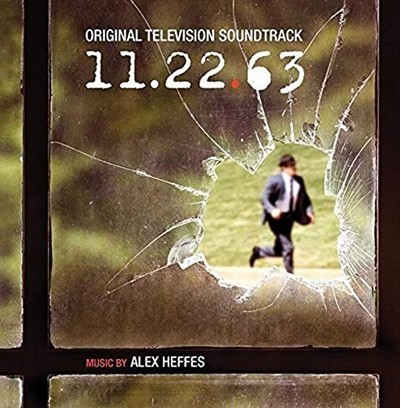
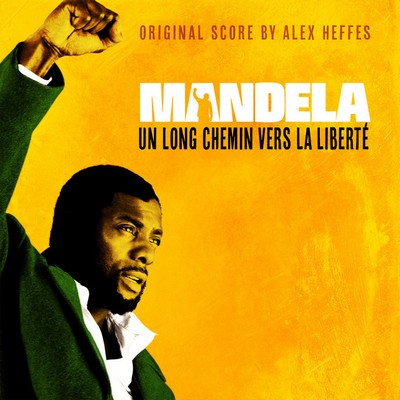
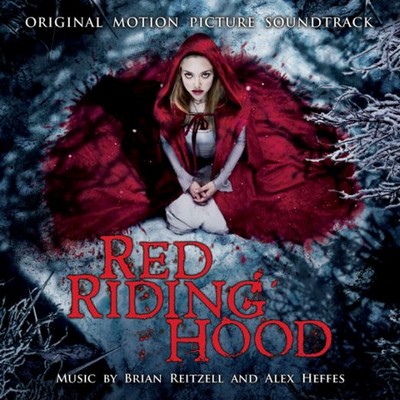
CS: In una nostra recensione della tua variegata e intensa partitura per la miniserie sci-fi poliziesca 22/11/63 del 2016 tratta dal romanzo omonimo di Stephen King e prodotta da J.J. Abrams, il nostro redattore Roberto Pugliese afferma: “L’inglese Alex Heffes, ad esempio, talentuoso esponente della generazione dei quarantenni che ricordiamo per gli scores del celebrativo Mandela: Long Walk to Freedom e dell’horror sui generis Cappuccetto rosso sangue, è un compositore attento e penetrante, che gravita in un'orbita postgoldsmithiana”. Cosa ne pensi di questa affermazione? Ti ritrovi vicino alle tematiche stilistiche di approccio di Jerry Goldsmith?
AH: Bene, innanzitutto grazie per queste belle parole. Jerry Goldsmith, crescendo, è divenuto un mio eroe. Il pianeta delle scimmie mi ha spaventato a morte quando ero giovane, il che è stato principalmente fatto dalla musica! Ho sempre ammirato il modo in cui Goldsmith si è adattato durante la sua lunga carriera, ma ha comunque mantenuto il suo stile caratteristico. Immagino sia una delle cose che miro a fare. Cerco sempre di adattarmi e trasformarmi con qualsiasi film sto scrivendo, ma porto comunque il mio senso della melodia e dell’armonia nella musica. Forse sto gravitando in una “orbita postgoldsmithiana” (ride). Per inciso, l’ho visto dal vivo solo una volta. Quando ero abbastanza giovane stavo registrando una colonna sonora nello studio Sony Whitfield Street, ora scomparso, e Goldsmith era stato in quella stanza il giorno prima. Mi pento sempre leggermente di non aver interrotto la sua sessione il giorno prima!
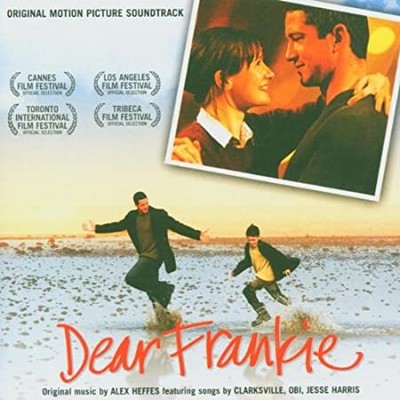
CS: Quanto conta nel tuo modo di scrivere musica per immagini puntare sul ‘Tema’ (mi vengono in mente le melodie struggenti che hai composto per Dear Frankie del 2004), di cui oggi parecchie produzioni cinematografiche sembrano avere paura, come se il leitmotiv stesso potesse prendere il sopravvento sulla storia e i suoi personaggi e distrarre il pubblico? Quanto, invece, contano soluzioni timbriche e armoniche per creare la struttura dello score?
AH: Ricordo sempre di aver sentito Goldsmith dire che la prima cosa che fa è scrivere il tema principale. Una volta inchiodato, il resto dello score sarà facile. In realtà, ho sentito John Williams dire qualcosa di molto simile: scrivere la musica è facile, ma scrivere il tema è estremamente difficile! Sono d’accordo sul fatto che molte produzioni sembrano voler evitare un tema. Tuttavia, la mia esperienza è che una volta che ne sentono uno veramente buono, lo adorano e non se ne pentono più. È solo un talento raro riesce a farlo bene. Mi piace anche approfondire le partiture tonali e più astratte. Ma un tema fornisce sempre una spina dorsale per la musica e alla fine penso che sia ciò a cui reagisce di più e ricorda il pubblico.
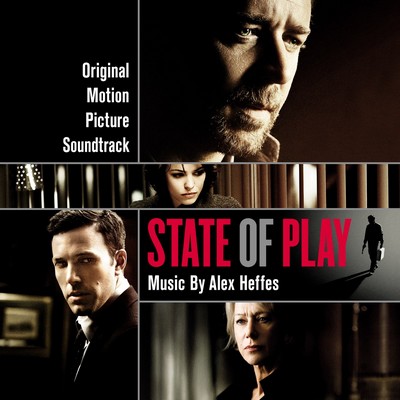
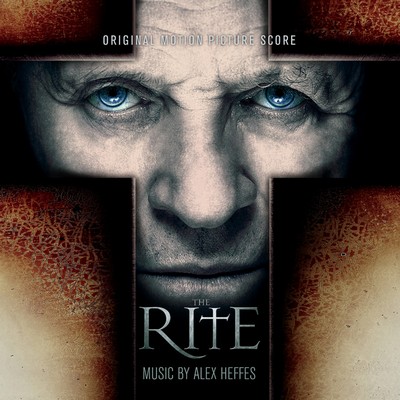
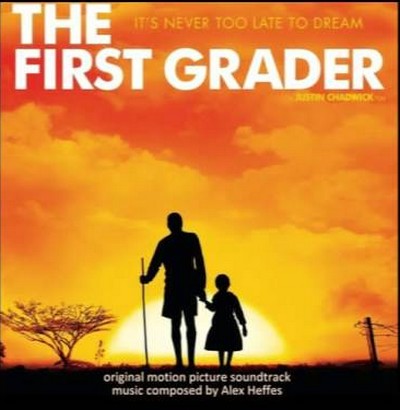
CS: Hai vinto due ASCAP Film and Television Music Awards per la succitata miniserie 22/11/63 e per il film giallo State of Play del 2009 con Russell Crowe, Ben Affleck e Rachel McAdams, il World Soundtrack Awards per Il rito e The First Grader nonché ottenuto la nomination ai Golden Globes per Mandela: Long Walk to Freedom con Idris Elba del 2013 e svariati altre candidature e riconoscimenti. Che importanza attribuisci a questi premi e cosa comportano per la tua carriera?
AH: Significa sempre molto che le persone dicano che gli piace il tuo lavoro. È diverso dall’aiutare la tua carriera. C’è il famoso caso di vari compositori che vincono un Oscar e poi sembrano scomparire di nuovo in seguito. Quindi vincere premi non è necessariamente importante. Ma può darti visibilità al momento giusto della tua carriera ed esporre la tua musica a un pubblico più ampio.
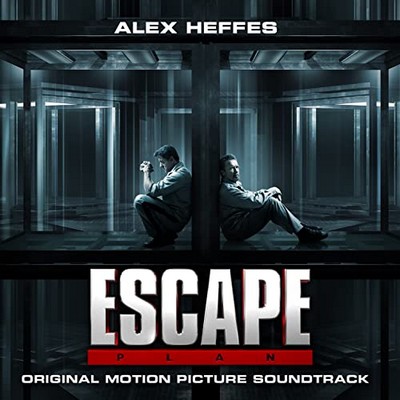
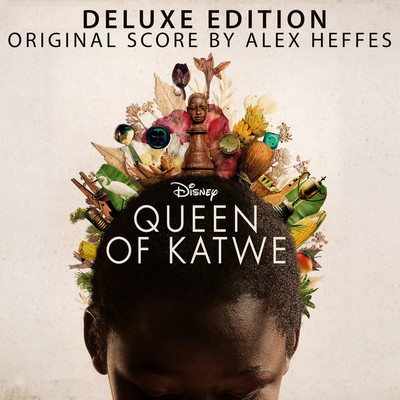
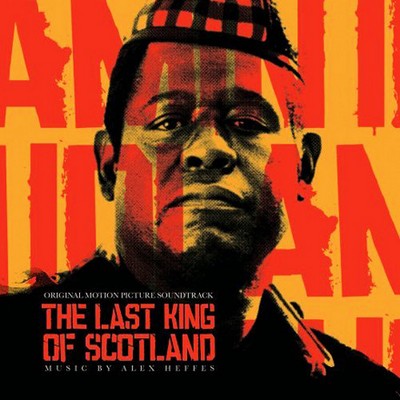
CS: Tu hai navigato tra i generi - menziono i film più noti nella tua filmografia di oltre 60 titoli tra cinema, documentari e serie TV: l’horror con Il rito (2011) con Anthony Hopkins, il fantasy/horror con Cappuccetto rosso sangue (2011) con Amanda Seyfried, l’action con Escape Plan - Fuga dall’Inferno (2013) con Sylvester Stallone e Arnold Schwarzenegger, il biopic storico con L’ultimo Re di Scozia (2006) con Forest Whitaker e con il citato Mandela: Long Walk to Freedom o lo sportivo della Disney La regina bambina (2016) con Lupita Nyong’o - con un eclettismo compositivo di elevata fattura e grande dote per la creazione di leitmotiv potenti ed evocativi che scuotono e catturano fuori e dentro le immagini in scorrimento. Qual è il genere nel quale ti trovi più a tuo agio e verso il quale credi di esprimerti al meglio? E qual è la colonna sonora che pensi abbia reso nel migliore dei modi la tua personalità stilistica musicale?
AH: Ho sempre ammirato i compositori che hanno produzioni varie e grandi e che riescono a mantenere il loro stile in molti generi. Naturalmente Williams, Goldsmith, anche James Newton Howard e altri. Spesso non sai davvero come reagirà il pubblico al tuo lavoro. Potresti essere davvero contento di qualcosa che non si collega così bene al pubblico, e in altre occasioni fai qualcosa che non pensi possa avere un grande successo e la gente lo adora! Quindi, in un certo senso, devi solo continuare a fare sempre il tuo lavoro migliore e vedere come piace alla gente. Sento che è sempre la prossima cosa che farò che potrebbe essere la migliore. Mi piace guardare avanti! Anche se mi piace lo score d’azione in quanto è molto impegnativo e un allenamento musicale completo.

CS: Quali le difficoltà oggettive, se ne hai riscontrate, tra lo scrivere uno score per la serialità (per esempio Radici, Black Mirror, Il ragazzo giusto) il documentario (vedi Earth, La madre degli elefanti, The Arctic) e il film sul grande schermo?
AH: Non ho mai visto molta differenza tra la colonna sonora di un film narrativo e un documentario. Entrambi hanno bisogno di raccontare una storia. Sento che ci sia una differenza nella colonna sonora di film che potrebbero riguardare persone reali, specialmente se sono ancora vive. Penso a Mandela per esempio (che era ancora vivo quando abbiamo girato quel film) o anche a Lance Armstrong nel film di Stephen Frears The Program. Sento di avere la responsabilità di scrivere la colonna sonora di quei film con un rispetto in più. Per quanto riguarda i serial, li tratto come lunghi film. Radici aveva un tema che percorreva tutte le 8 ore. Lo stesso con Il ragazzo giusto. È stato davvero bello nell’Episodio 6 riportare tutti i temi che hai sentito dall’Episodio 1 nella sequenza finale. E molto divertente lavorare con la meravigliosa Anoushka Shankar.
CS: Quale significato puoi affidare all termine “Musica per Immagini”?
AH: Un pò di musica funziona molto bene con le immagini, ma da sola risulta un pò piatta. Un pò di musica funziona alla grande da sola, ma contrasta con le immagini. Il mio obiettivo è sempre quello di scrivere qualcosa che si adatti perfettamente al film e racconti la storia, ma se lo togli dal film e lo interpreti da solo, resta in piedi e racconta la sua storia.
Un ringraziamento particolare a Dylan Venneman per aver reso possibile questa intervista e al Maestro Heffes per la simpatia e cordialità concessaci.
English Version:
Colonne Sonore: Can you tell us how your studies and your musical passions (your favorite composers or singers or bands) have influenced you to the point of becoming a composer of music applied to images?
My background was initially quite classical, although what really drew me to music was going to see Star Wars at the cinema in 1977! I came home and tried to pick out the melody and harmony on the piano. It was really the harmony that intrigued me about that tune. The melody was so great I could instantly understand it but trying to understand John Williams' harmony is not so easy, especially for a 7 year old. He manages to harmonise great melodies in a way that is deep and complex but doesn't give that impression because it perfectly supports the tune. Later on after all my classical studies I became crazy about playing jazz for a time and had a jazz piano trio. We made no money and played late night gigs for food and were happy. This taught me a lot of really great keyboard skills as well as thinking and writing on your feet. Later on I worked with bands, pop producers and world artists and learned how to combine all these.
CS: In our review of your varied and intense score for the sci-fi detective miniseries 11/22/63 from the novel of the same name by Stephen King and produced by J.J. Abrams, our editor Roberto Pugliese states: "The English Alex Heffes, for example, a talented exponent of the generation of forties that we remember for the scores of the celebratory Mandela: Long Walk to Freedom and of the horror sui generis Red Riding Hood, is a careful and penetrating composer, who gravitates in a post-Goldsmithian orbit". What do you think of this statement? Do you find yourself close to the stylistic themes of Jerry Goldsmith's approach?
Well, firstly thank you for those kind words. Goldsmith was a hero of mine growing up. Planet of the Apes scared the wits out of me when I was young which was mostly done by the music! I always admired how Goldsmith adapted himself through his long career but still maintained his signature style. I guess that's one of the things I aim to do. I'm always looking to adapt and morph with whatever film I'm scoring but still bring my sense of melody and harmony to the music. Perhaps that is gravitating in a "postGoldsmithian orbit" :)
Incidentally, I only ever saw him live once. When I was quite young I was recording a score at the now disappeared Sony Whitfield Street studio and GG had been in that room the day before. I always slightly regret not crashing his session the day before!
CS: How important is it in your way of writing music for images to focus on the 'Theme' (the poignant melodies you composed for 2004's Dear Frankie come to mind), of which today many film productions seem to be afraid, as if the leitmotiv itself could take over the story and its characters and distract the audience? How much, on the other hand, do tonal and harmonic solutions count to create the structure of the score?
I always remember hearing Jerry Goldsmith saying that the very first thing he does is write the main title. Once you nail that then the rest of the score is going to be easy. Actually, I've heard John Williams say something very similar - writing the music is easy, but writing the theme is extremely hard! I agree that many productions seem to want to avoid a theme. However, my experience is that once they hear a really good one they love it and never regret it. It's just a rare talent that gets this right. I love delving into tonal and more abstract scoring too. But a theme always provides a backbone for the music and ultimately I think is what an audience reacts to and remembers.
CS: You have won two ASCAP Film and Television Music Awards for the aforementioned miniseries 11/22/63 and for the 2009 mystery film State of Play with Russell Crowe, Ben Affleck and Rachel McAdams, the World Soundtrack Awards for The Rite and The First Grader as well as being nominated for a Golden Globes for Mandela: Long Walk to Freedom with Idris Elba from 2013 and several other nominations and awards. What importance do you attach to these awards and what do they mean for your career?
It always means a lot to have people say they like your work. That's different from helping your career. There is the famous case of various composers who wins an oscar and then seem to disappear again afterwards. So winning awards isn't necessarily important. But it can give you exposure at the right time in your career and expose your music to a wider audience.
CS: You have navigated between genres - I mention the best known films in your filmography of over 60 films, documentaries and TV series: horror with The Rite (2011) with Anthony Hopkins, fantasy / horror with Red Riding Hood (2011) with Amanda Seyfried, the action with Escape Plan (2013) with Sylvester Stallone and Arnold Schwarzenegger, the historical biopic with The Last King of Scotland (2006) with Forest Whitaker and with the aforementioned Mandela: Long Walk to Freedom or the Disney sportsman The Queen of Katwe (2016) with Lupita Nyong'o - with a highly skilled compositional eclecticism and great gift for the creation of powerful and evocative leitmotifs that shake and capture inside and out the scrolling images . Which is the genre in which you are most comfortable and towards which you think you express yourself best? And what is the soundtrack that you think made your musical stylistic personality in the best way?
I've always admired composers who have varied and big outputs and who manage t retain their style across many genres. Of course Williams, Goldsmith and also James Newton Howard and others. Often you really don't know how an audience is going to react to your work. You might be really pleased with something that doesn't connect so well with an audience, and on other occasions you do something that you don't think is going to make much of a splash and people love it! So, in a sense you just have to continue doing your best work always and see how people like it. I feel like it's always the next thing I'm going to do that could be the best. I like to look forward! Although i do enjoy action scoring as it's very demanding and a thorough musical workout.
CS: What are the objective difficulties, if you have encountered them, between writing a score for the serial (for example Roots, Black Mirror, A Suitable Boy), the documentary (see Earth, The Elephant Queen, The Arctic) and the film about big screen?
I've never seen much of a difference between scoring a narrative film and a documentary. Both need to tell a story. I do feel like there is a difference in scoring films that might be about real people, especially if they are still alive. I'm thinking about Mandela for example (who was still alive when we did that film) or even Lance Armstrong in Stephen Frears' movie The Program. I feel like I have a responsibility to score those films with extra respect. As far as serials go, I just treat them like long movies. Roots had a theme that goes all the way through all 8 hours. Same with A Suitable Boy. It was really nice in Ep6 to bring back all the themes you've heard from Ep 1 into the final sequence. And very enjoyable working with the wonderful Anoushka Shankar.
CS: What meaning can you entrust to the term "Music for Images"?
Some music works really well with images but falls a little flat on its own. Some music works great on its own but fights the images. My goal is always to write something that fits the film perfectly and tells the story, but if you take it away from the film and play it on its own it still stands up and tells it's own story.
Special thanks to Dylan Venneman for making this interview possible and to Maestro Heffes for the sympathy and cordiality granted to us.