
Il “Terminator” della Film Music - Intervista esclusiva a Brad Fiedel
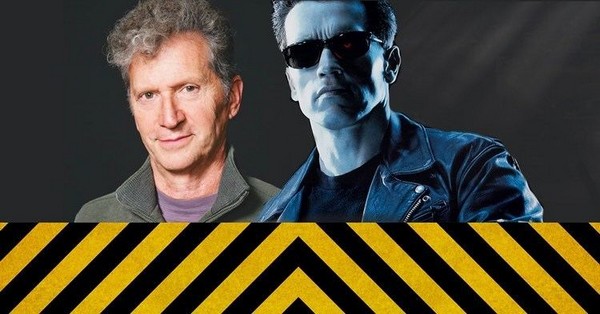
Il “Terminator” della Film Music - Intervista esclusiva a Brad Fiedel
Se menziono Terminator, Terminator 2 il giorno del giudizio, True Lies vi verrà subito da pensare al regista James Cameron. Se cito Johnny Mnemonic direte immediatamente Keanu Reeves. Se vi parlo di Una bionda tutta d’oro e Impatto imminente risponderete Kim Basinger e Bruce Willis, nonché una giovanissima Sarah Jessica Parker. Se parlo di scary movies cult quali Ammazzavampiri o Il serpente e l’arcobaleno pronuncerete i nomi, da buoni cinefili quali siete, dei registi Tom Holland e Wes Craven. Se in ultimo nomino il film scandalo Sotto accusa urlerete Jodie Foster.
Però credo vivamente che pochi si rammenteranno che tutti questi film di successo al botteghino, che hanno dato lustro alla carriera dei loro protagonisti e registi, facendoli entrare nell’immaginario collettivo cinematico, hanno un elemento non da poco in comune! Il compositore newyorkese Brad Fiedel (classe 1951) con il quale ho avuto il grande onore di intrattenere una chiacchierata piacevole sulla sua stimata carriera nella Film Music, che ha segnato con un tema iconico entrato prepotentemente e muscolarmente di diritto nella Storia del Cinema, quello per il classico fantascientifico Terminator con lo statuario e glaciale cyborg assassino Arnold Schwarzenegger diretto con mano sicura e adrenalinica visione da James – Titanic – Cameron.
Colonne Sonore: Facciamo un viaggio a zig zag nella sua carriera partendo dal suo ultimo lavoro, il musical Full Circle, che ha potuto sviluppare durante la reclusione forzata del Covid-19, progetto a lungo tenuto nel cassetto. Negli estratti da Lei fattimi ascoltare, si possono percepire diverse influenze: si passa con un trait d’union comune da pagine in stile classico musical di Broadway, sulla falsa riga disneyana anni ’90, momenti dissonanti e quasi atonali a omaggi al grande Nino Rota di felliniana memoria. Ci può raccontare il perché di un musical per la prima volta nel suo parterre compositivo e perché basato su suo nonno?
Brad Fiedel: In realtà questo non è il primo musical che ho scritto. Ho composto un progetto musicale animato negli anni ‘90 dopo aver finito la mia colonna sonora per True Lies di James Cameron. C’era un certo interesse in questo progetto animato ma alla fine non è stato prodotto. Successivamente ho sviluppato un altro progetto di film musicale dal vivo, anch’esso non prodotto. Più di recente ho scritto ed eseguito uno spettacolo personale Borrowed Time che si basava sulla mia vita, quando divenni maggiorenne negli anni ‘60, frequentando molti studenti radicali, volendo diventare una rock star e il mio viaggio attraverso la cultura di Hollywood, ecc. Abbiamo fatto diversi spettacoli ben accolti in California e in Arizona. La sfida per me in passato è stata quella di portare tutto questo lavoro personale al pubblico. Questa volta i social media mi stanno rendendo possibile condividere Full Circle con molte persone in tutto il mondo.
Per quanto riguarda gli stili, quando sentirai l’intero musical penso che capirai come ho tessuto vari vocaboli musicali attraverso lo spettacolo in un modo che spero possa migliorare la storia e le differenze tra l’espressione dei personaggi. C’è un elemento importante della storia che è stato ispirato dalla vita di mio nonno, ma non posso parlarne perché sarebbe uno spoiler. La storia è in realtà immaginaria e il personaggio principale è una ragazza adolescente. La trama ruota attorno alla sua relazione con suo nonno estraneo e al modo in cui sono in grado di aiutarsi a vicenda.
CS: Prima della pandemia mondiale doveva recarsi a Londra per eseguire dal vivo la partitura integrale del primo Terminator al Royal Albert Hall. Cosa comporta per Lei un film concerto e in special modo eseguire la colonna sonora del film di James Cameron che così enorme notorietà le ha donato nel mondo della Film Music?
BF: Avevo programmato di fare una apparizione all’Albert Hall per il concerto di Terminator Live e suonare un po' il piano, ma la partitura doveva essere eseguita dall’ensemble Avex. Hanno fatto diverse esibizioni in Giappone prima che il virus chiudesse tutto. Li ho aiutati a mettere a punto lo spettacolo soprattutto, per quanto fattibile, avvicinandosi il più possibile ad alcuni dei suoni originali che ho sviluppato per la colonna sonora. Hanno fatto un ottimo lavoro e hanno aggiunto alcuni tocchi drammatici per la performance dal vivo. I batteristi di Taiko dal vivo fanno parte dell’ensemble e rendono divertenti da guardare e ascoltare alcune delle sezioni percussive. È molto gratificante vedere questo score prendere vita in concerto e apprendere che è ancora apprezzato dopo tutti questi anni.
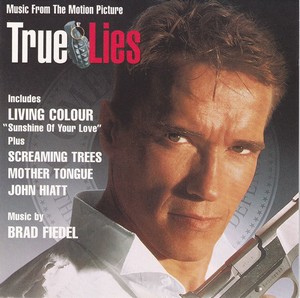
CS: Una delle sue colonne sonore che preferisco, mix perfetto di sinfo-elettronica dagli stilemi marcatamente eroici, è lo strepitoso True Lies (1994), action comedy alla 007 con Arnold Schwarzenegger e Jamie Lee Curtis e regia di James Cameron. Quali ricordi ha riguardanti la lavorazione e la composizione di questa sua bombastica score?
BF: È stato un viaggio interessante. La prima dichiarazione di Cameron è stata che dovevamo far sapere al pubblico dalle prime battute della colonna sonora che questa era “Number 1”. Questo non era un altro film di Terminator. Questo sarà divertente. Quindi, con quelle istruzioni e la presenza di un tango nella scena di apertura del film, ho scelto di far sentire la sequenza di azioni di apertura come se Arnold stesse ballando mentre correva lungo la montagna, con, per l’appunto, una nuance di tango incorporata nella partitura. È stato molto divertente per me combinare il lavoro elettronico del mio studio personale con un’orchestra acustica di 110 musicisti registrati nel famoso studio di Hollywood nel quale sono stati incisi molti vecchi musical e altre partiture da film (lo studio di registrazione originale della MGM).
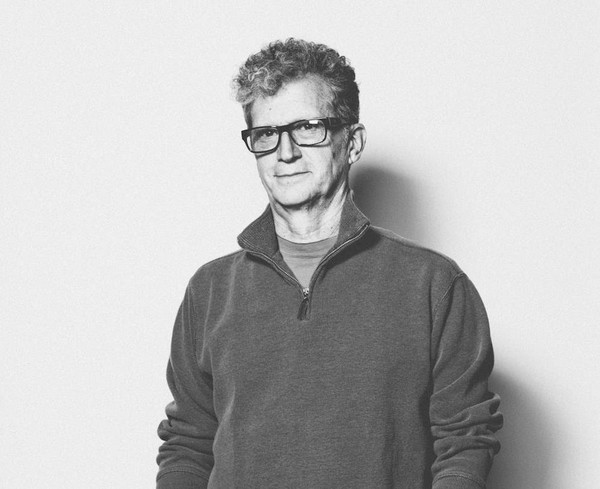
CS: Fin dai suoi esordi le è stato attribuito dai critici di colonne sonore, e non solo, il titolo di compositore dagli accenti essenziali sintetici e con leitmotiv di immediata presa uditiva. Si ritrova in questa affermazione o vuole sfatare tale, a mio avviso in parte, errata attribuzione stilistica troppo sbrigativa?
BF: C’è una sindrome classica che accade a Hollywood (così come altre aree di intrattenimento di massa e persino il mondo dell’arte). Lo chiamiamo “Nido per piccioni”, ossia un piccolo anfratto dove rifugiarsi. Se qualcosa che fai ottiene molta esposizione e funziona bene, ne diventi noto e ti viene chiesto di farlo di nuovo. Questo succede ad attori, registi, a tutti. Considerando quanto sia difficile persino iniziare nel settore dell’intrattenimento, sono grato di aver avuto l’opportunità di essere riconosciuto da molte persone per qualsiasi cosa. Purtroppo tante persone di talento non hanno mai avuto questa opportunità. All’epoca era frustrante e ho rifiutato dei lavori che sentivo troppo ripetitivi. Il mio obiettivo nella musica per film era sempre quello di fare tutto il possibile per supportare le immagini e la trama. La mia ispirazione è venuta spesso da una reazione quasi inconscia al film. Ho cercato di stare lontano dall’uso dell’intelletto per scegliere i miei colori musicali. Lascio che il film vibri dentro di me e mi fido della musica che è emerge. Fortunatamente sono stato in grado di lavorare con molti registi che mi hanno dato questa libertà e hanno reagito in modo molto positivo a ciò che proveniva da questo approccio istintivo, spesso improvvisativo. Sono stato abbastanza fortunato nel corso dei 25 anni nei quali ho svolto questo lavoro per realizzare progetti molto vari e scrivere una vasta gamma di musica. Indipendentemente dal tipo di suoni che ho usato (elettronico, acustico, combinazioni di diverse fonti di suoni) molti hanno trovato la mia musica molto sentita e umanistica.
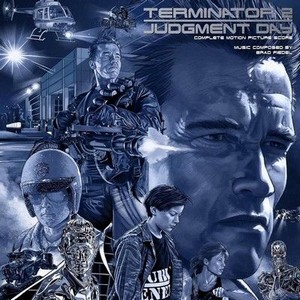
CS: Quale tra gli score per il primo e secondo Terminator considera il più efficace sulle immagini e perché?
BF: Penso che ciascuna delle colonne sonore abbia supportato il film per cui sono nate in modo appropriato. Le immagini erano molto diverse e sebbene il tema musicale rimanesse lo stesso, le score sono molto diverse: la seconda riflette più le dimensioni e gli elementi più caldi della trama di quella produzione, nonché gli effetti visivi all’avanguardia.
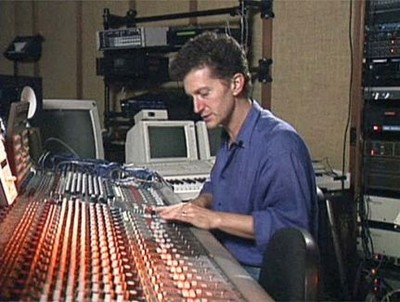
CS: Se vi è nel suo curriculum, di oltre 100 colonne sonore, uno score che meglio la rappresenta, quale vorrebbe citare e con quale motivazione?
BF: Non credo davvero che ci sia uno score che mi rappresenti. È il lavoro del compositore rappresentare e supportare la storia e la visione di ogni film. In un certo senso siamo camaleonti musicali. Penso che ci sia un’anima sottostante che viaggia attraverso tutte le varie opere dei compositori, ma a volte si sente meglio a distanza. Alcuni che preferisco sono Terminator, Rasputin – Il demone nero (Uli Edel, 1996), Posizioni compromettenti (Frank Perry, 1985), Ballata per un condannato (Daniel Mann, Joseph Sargent, 1980)...
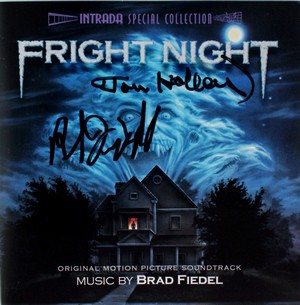
CS: Un film divenuto cult negli anni, con relativo sequel, è l’horror vampiresco Fright Night (Ammazzavampiri in italiano) di Tom Holland del 1985. Insieme all’altro horror di culto Il serpente e l’arcobaleno (The Serpent and the Rainbow, 1988) del compianto Wes Craven con Bill Pullman, rappresentano due tappe fondanti nella sua filmografia che lo hanno fatto assurgere, come con i due Terminator, sul podio dei compositori di musica applicata alle immagini da tenere in gran considerazione. Cos’hanno significato questi due horror estremi e che vuol dire musicare la paura?
BF: È interessante che tu chieda della paura in musica. In ognuno dei film che hai citato ho trovato le scene che creavano ansia nei personaggi e nelle situazioni. Penso che la paura insorga quando il pubblico si preoccupa di ciò che accadrà ai personaggi. Quando ho visto per la prima volta Fright Night sono stato colpito dall’innocenza del personaggio principale e anche dal fatto che c’era un elemento di umorismo. In Serpent and the Rainbow c’è l’elemento esotico di Haiti che è sempre presente così come il nucleo politico della storia e il modo in cui il voodoo e il mito venivano usati per opprimere la gente. Quindi, immagino che ciò che sto dicendo sia che non mi sono concentrato così tanto sugli aspetti della paura di questi film. InTerminator siamo costantemente immersi nella suspense, ma il nocciolo del tema sta esprimendo il triste destino dell’umanità e la marcia delle macchine per distruggerla.
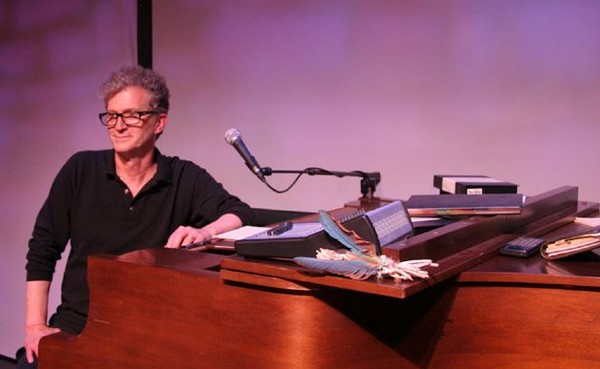
CS: Occhi nelle tenebre (Blink, 1993) di Michael Apted con Madeleine Stowe e Aidan Quinn, possiede uno dei temi d’amore (“Emma’s Eyes”), per un giallo dalle tinte fosche con serial killer al seguito, tra i più intimamente belli degli anni ’90. Piano, chitarra elettrica e tastiere la fanno da padrone in un susseguirsi di pagine synth che rammentano partiture alla Tangerine Dream o il Maurice Jarre action-noir di quel periodo. Quali sono state le sue influenze compositive che l’hanno introdotta alla musica elettronica e al suo utilizzo sempre in sintonia con il filmico che ancora oggi non rendono datate le sue colonne sonore dell’epoca, cosa che non si può propriamente affermare di molte OST del medesimo periodo?
BF: Penso di aver sempre cercato di creare suoni elettronici che supportassero la storia e le immagini. Ciò ebbe una risonanza drammatica. Non ero innamorato di molti dei suoni “sintetici” del periodo e ho cercato di trovare suoni più caldi e più collegati all’umanità dei personaggi. Ho anche provato a scrivere musica che fosse aggraziata nell’insieme dei suoni sintetici invece di spingere questi ultimi verso la convenzionalità e il gusto del periodo.
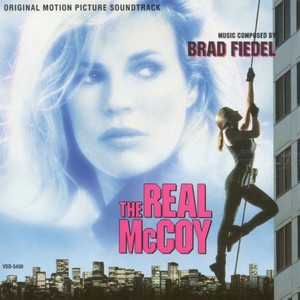

CS: Gli Ottanta e i Novanta sono stati, nella sua professione di compositore per film, un’antologia di partiture memorabili e indimenticate, ad esempio The Big Easy (Id. – 1986) con Dennis Quaid, Ellen Barkin, Ned Beatty, Sotto accusa (The Accused, 1988) con Kelly McGillis e Jodie Foster, Blue Steel – Bersaglio mortale (Blue Steel, 1990) di Kathryn Bigelow con Jamie Lee Curtis e Ron Silver, Impatto imminente (Striking Distance, 1993) con Bruce Willis e Sarah Jessica Parker, Una bionda tutta d’oro (The Real McCoy , 1993) con Kim Basinger, Val Kilmer e Terence Stamp, Johnny Mnemonic (Id. - 1995) con Keanu Reeves e Dolph Lundgren. Qualche aneddoto su uno o tutti questi film insieme diventati a loro modo iconici di quegli anni?
BF: Su Johnny Mnemonic ho avuto l’idea di avere due sezioni complete di ottoni su entrambi i lati del palco della registrazione. Ero stanco di avere sempre forti effetti sonori che interrompevano certe linee musicali. Così ho dovuto ripetere più tardi le battute degli ottoni opposti in ogni frase, una a sinistra e una a destra in modo che le frasi avessero maggiori possibilità di essere ascoltate. L’ho fatto acusticamente invece che elettronicamente e sebbene le persone nello studio pensassero che fossi un po' matto, i musicisti hanno apprezzato la loro “battaglia delle sezioni di ottoni” e ha funzionato abbastanza bene.

CS: Ha prestato la sua scrittura al mondo televisivo componendo le colonne sonore per la famosa serie ideata da Steven Spielberg Storie incredibili (Amazing Stories, 1986 – 1987) in due episodi e al TV Movie Il braccio violento della legge 3 (Popeye Doyle, 1986), seguito del ben più noto cult cinematografico con Gene Hackman di William Friedkin del 1971. Ha riscontrato delle differenze nel suo approccio compositivo tra il grande e piccolo schermo?
BF: Ho sempre affrontato le immagini e le storie di fronte a me mai trattandole diversamente. All’epoca dovevo avere qualche considerazione tecnica particolare per la capacità degli altoparlanti TV.
CS: La Musica per Immagini per Lei in poche parole.
BF: Penso che la creazione di partiture per immagini sia una meravigliosa opportunità per i compositori di esplorare come la musica e i suoni possano supportare al meglio la storia e i personaggi. Per me spesso non si trattava di flettere i muscoli musicali quanto di creare qualcosa che andasse nel subconscio. Spesso la semplicità suonava meglio.
English Version:
CS: Let's take a zigzag journey in his career starting from his latest work, the musical Full Circle, which he was able to develop during the forced imprisonment of Covid-19, a project long kept in the drawer. In the extracts you let me listen to, you can perceive different influences: you go through a common trait d'union from classic Broadway musical style pages, on the false Disney line of the 90s, dissonant and almost atonal moments, and a homage to the great Nino Rota of Fellini's memory. Can you tell us the reason for a musical for the first time in your compositional parterre and why based on your grandfather?
Brad Fiedel: Actually this is not the first musical I've written. I wrote an animated musical project back in the 90's after finishing my score for James Cameron's True Lies. There was interest at a few studios but it did not ultimately get produced. I developed another live action musical film project after that, also unproduced. More recently I wrote and performed a one man show Borrowed Time which was based on my life, coming of age in the 1960's, being around a lot of radical students, wanting to be a rock star and my journey through Hollywood culture etc. We did several well received shows in California and Arizona. The challenge for me in the past has been to get all this personal work out to the public. This time social media is making it possible for me to share Full Circle with many people around the world.
As far as styles go, when you experience the whole piece I think you will understand how I was weaving varied musical vocabulary through the show in a way I hope enhances the story and the differences between the expression of the characters. There is an important element of the story that was inspired by my grandfather's life but I can't speak to that because it would be a spoiler. The story is actually fictional and the main character is a teen-age girl. The plot pivots on her relationship with her estranged grandfather and how they are able to help each other.
CS: Before the global pandemic, he had to travel to London to perform the full score of the first Terminator live at the Royal Albert Hall. What does a concert film entail for you and especially perform the soundtrack of the James Cameron film that has given you so much fame in the world of Film Music?
BF: I was scheduled to make an appearance at Albert Hall for the Terminator Live concert and play piano a bit, but the score was to be performed by the Avex ensemble. They had several great performances in Japan before the virus shut everything down. I helped them fine tune the show mostly as far as getting as close as possible to some of the original sounds I developed for the score. They did a great job and added some dramatic touches for the live performance. Live Taiko drummers are part of the ensemble and make some of the percussive sections fun to watch. It is very rewarding to see this score brought to life and still appreciated after all these years.
CS: One of his favorite soundtracks, the perfect mix of sympho-electronics with markedly heroic styles, is the amazing True Lies (1994), 007 action comedy with Arnold Schwarzenegger and Jamie Lee Curtis and directed by James Cameron. What memories do you have regarding the processing and composition of your bombastic score?
BF: That was an interesting Journey. Mr. Cameron's first declaration was that we had to let the audience know from the first bars of the score that #1. This was not another Terminator film and #2. This was going to be fun. So with those instructions and the presence of a tango in the opening sequence of the film, I chose to make the opening action sequence feel like Arnold was dancing as he ran down the mountainside with a tango feel incorporated in the score. It was a lot of fun for me to combine the electronic work from my personal studio with an acoustic orchestra of 110 players recorded in the classic huge Hollywood stage that many old musicals and other scores had been recorded on( the original MGM recording studio).
CS: Since its inception it has been attributed by the critics of soundtracks and more, the title of composer with essential synthetic accents and with leit motives of immediate auditory grip. Do you find yourself in this statement or do you want to dispel this, in my opinion in part, an incorrect stylistic attribution that is too hasty?
BF: There is a classic syndrome that happens in Hollywood (as well as other areas of mass entertainment and even the fine art world). We call it "pigeon holing". If something you do gets a lot of exposure and works well, you become known by that and asked to do it again. This happens to actors, directors, everyone. In one sense considering how hard it is to even get started in the entertainment industry I feel grateful that I had the opportunity to be known by many people for anything. So many talented people never get that opportunity. It was frustrating at the time and I turned down work that I felt was too repetitive. My goal in scoring films was always to do whatever I could to support the images and the story. My inspiration often came from and almost subconscious reaction to the film. I tried to stay away from using intellect to choose my musical colors. I would let the film vibrate inside of me and trust the music that emerged. Luckily I was able to work with many filmmakers who gave me this freedom and reacted very positively to what came from this instinctive often improvisational approach. I was lucky enough over the 25 years that I did this work to do very varied projects and to write a wide range of music. Regardless of the type of sounds I used( electronic, acoustic, combinations of diverse sources of sounds) many have found my music very heartfelt and humanistic.
CS: Which of the scores for the first and second Terminator do you consider the most effective on images and why?
BF: I think each of the scores supported the film they were designed for appropriately. The images were very different and though the musical theme stayed the same, the scores are very different the second reflecting more the size and warmer more heartfelt story elements of that production as well as the cutting edge visual effects.
CS: If there is more than 100 soundtracks in your resume, a score that best represents you, which would you like to cite and with what Motivation?
BF: I don't really feel that there is one score that represents me. It is a composers job to represent and support the story and visuals of each film. We are in a sense musical chameleons. I do think that there is an underlying soul that travels through all of a composers varied work, but sometimes that is heard best from a distance. A few that show the range would be Terminator, Rasputin, Compromising Positions, Playing for Time...
CS: A film that has become cult over the years, with its sequel, is Tom Holland's vampire horror film Fright Night (1985). Together with the other cult horror film The Serpent and the Rainbow, 1988, by the late Wes Craven with Bill Pullman represent two fundamental stages in his filmography that made him rise, as with the two Terminator, on the podium of composers of music applied to images to be held in high regard. What did these two extreme horror mean and what does fear music Mean?
BF: It's interesting that you ask about fear music. In each of the films you mentioned I found the parts that made you care about the characters and the situations. I think the fear comes about when the audience cares about what is going to happen to the characters. When I first saw Fright Night I was struck by the innocence of the main character and also that there was an element of humor. In Serpent and the Rainbow there is the exotic element of Haiti that is always present as well as the political core of the story and how voodoo and myth was being used to oppress the people. So, I guess what I'm saying is that I didn[t focus so much on the fear aspects of these films. In the Terminator we are in constant suspense, but the core of the theme is expressing the sad fate of humanity as well as the march of the machines to destroy them.
CS: Blink, 1993, by Michael Apted with Madeleine Stowe and Aidan Quinn, has one of the love themes ("Emma's Eyes"), for a dark-hued yellow with serial killers in tow, among the most intimately beautiful from the 90s. Piano, electric guitar and keyboards are the masters in a succession of synth pages that recall scores of the Tangerine Dream or the Maurice Jarre action-noir of that period. What were his compositional influences that introduced his to electronic music and its use always in tune with the filmic that still do not make her soundtracks of the time still dated, which cannot be properly affirmed of many OST of the same period?
BF: I think that I was always looking to create sounds electronically that supported the story and images. That had a dramatic resonance. I wasn't in love with many of the " synthy" sounds of the period and tried to find sounds that were warmer and more connected to the humanity of the characters. I also tried to write music that worked gracefully with the sounds instead of pushing them beyond what they could tastefully do.
CS: In his profession as a film composer, the Eighties and Nineties were an anthology of memorable and unforgettable scores, for example The Big Easy by 1986 with Dennis Quaid, Ellen Barkin, Ned Beatty, The Accused, 1988, with Kelly McGillis and Jodie Foster, Blue Steel - Kathryn Bigelow's Deadly Target (1990) with Jamie Lee Curtis and Ron Silver, Striking Distance, 1993, with Bruce Willis and Sarah Jessica Parker, The Real McCoy, 1993, with Kim Basinger, Val Kilmer and Terence Stamp, Johnny Mnemonic (1995) with Keanu Reeves and Dolph Lundgren. Any anecdote about one or all of these films together become in their own way iconic of those years?
BF: On Johnny Mnemonic I had the idea to have two complete brass sections on either side of the recording stage. I was tired of always having loud sound effects interrupt certain through lines of the music. So I had the opposing brass sections repeat each phrase a beat later, one on the left and one on the right so the phrases had a better chance of being heard. I did this acoustically instead of electronically and though the people in the studio thought I was a bit crazy, the players enjoyed their "battle of the brass sections" and it worked out pretty well.
CS: He lent his writing to the television world composing the soundtracks for the famous series created by Steven Spielberg Amazing Stories, 1986 - 1987, in two episodes and on TV Movie Popeye Doyle, 1986, a follow-up to William Friedkin's well-known film cult with Gene Hackman from 1971. Did you find any differences in your compositional approach between the big and small screens?
BF: I always just addressed the images and stories in front of me and did not treat them differently. I did have to have some technical consideration for the capability of TV speakers at the time.
CS: Music for Images for you in a few words.
BF: I think that creating scores for images is a wonderful opportunity for composers to explore how music and sounds can best support story and characters. For me it was often not about flexing musical muscles as much as creating something that went into the subconscious. Simpler often felt better.