
Sul podio con Richard Kaufman
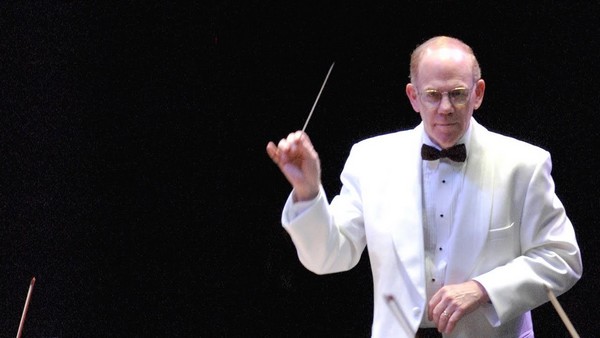
Sul podio con Richard Kaufman – Intervista esclusiva ad uno dei direttori d’orchestra più famosi al mondo
Introduzione a cura di Massimo Privitera
Parlavamo di Lui nel nostro dossier del 31 marzo scorso, “Compilation I Love You – Volume 1 (Stranieri)”, in cui menzionavamo, tra le molteplici raccolte di musica per film da recuperare ad ogni costo, proprio una delle sue più significative e particolari, ovvero The High and the Mighty – A Century of Flight (Varèse Sarabande VSD-6704, 2005), contenente, come descritto nel suddetto articolo, “nuove strabilianti esecuzioni di temi della Golden Age Hollywoodiana e della New Hollywood mainstream, tutte basate sulla bellezza infinita del Volo”.
Di chi stiamo parlando? Di Richard Kaufman (20 novembre, 1947, Los Angeles, California, Stati Uniti) che all’età di 72 anni è uno dei più autorevoli e riconosciuti direttori d’orchestra del mondo, capace di destreggiarsi tra la direzione di compagini orchestrali prestigiose (Pacific Symphony, Dallas Symphony, Chicago Symphony, London Symphony, Royal Liverpool Philharmonic, Royal Scottish National Orchestra, RTE Concert Orchestra, Boston Pops, San Diego Symphony, etc.) nelle performance di Film Music, cine-concerti (Amadeus, Star Wars - A New Hope, Star Wars - The Empire Strikes Back, Jaws, E.T., Raiders of the Lost Ark, Bride of Frankenstein, Psycho, Pirates of the Caribbean 1 & 2, Singin’ in the Rain, Vertigo, Silverado, Star Trek 2009) e musica classica. Ha trascorso buona parte della sua carriera musicale coprendo anche il ruolo di violinista di recording sessions di musiche per film (Lo squalo, Incontri ravvicinati del terzo tipo, La febbre del sabato sera e Animal House) e di supervisore di colonne sonore cinematografiche e televisive – vedi, tra le innumerevoli, i cartoni animati di RoboCop: Alpha Commando e La pantera rosa (per la quale ricevette una candidatura agli Emmy), le serie Stargate SG-1, Dark Shadows, La sporca dozzina, L’ispettore Tibbs – focalizzando in ogni caso il suo percorso sulla direzione orchestrale. In questa nostra intervista esclusiva (anche in english version in coda) ci racconta il suo ‘amore’ per la musica applicata alle immagini, soprattutto e ovviamente quella della Golden & Silver Age hollywodiana, per il genio compositivo dell’amico John Williams, del quale ha diretto molti Film Concerts ed eseguito le registrazioni di sue celeberrime scores, ed una sua opinione spassionata sulla situazione attuale della Film Music. Ne avrete di che gioire e applaudire!
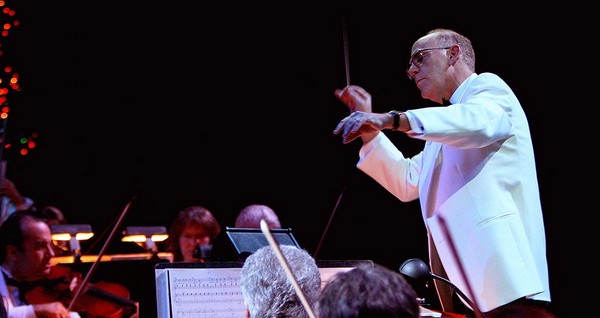
Intervista a cura di Maurizio Caschetto, tradotta da Massimo Privitera
Colonne Sonore: Maestro Kaufman, ci racconterebbe del suo background musicale e di come è diventato direttore d’orchestra?
Richard Kaufman: Ho iniziato a studiare il violino all’età di 7 anni a Los Angeles. Vi erano grandi opportunità di studiare musica classica, ma c’era anche una grande quantità di musica cinematografica, televisiva, di Broadway e canora nelle nostre vite. Ho coltivato fin da subito l’amore verso molteplici tipi di musica e soprattutto mi sono divertito a suonare in orchestre giovanili. Quando avevo circa 11 anni, ebbi il desiderio non solo di suonare il violino, ma in qualche modo anche di lavorare con gli altri strumenti dell’orchestra. Mi è stata data l’opportunità di dirigere la mia orchestra scolastica, così come la California Jr. Symphony che era sotto la guida del grande direttore ed educatore Peter Meremblum.
CS: E’ stato uno dei direttori più acclamati della musica cinematografica nelle sale da concerto. Come e quando si è interessato a questo repertorio specifico?
RK: Fin da giovanissimo, i miei genitori hanno esposto me e i miei fratelli a tutti i tipi di film e musica cinematografica. Mi è piaciuto ascoltare la musica che accompagnava i film. I miei genitori acquistavano anche registrazioni di musica per film, e io suonavo a orecchio (senza musica stampata). Il mio preferito era Il giro del mondo in 80 giorni con la magnifica colonna sonora di Victor Young.
CS: Quali sono le principali differenze nella preparazione e nella direzione di un concerto di repertorio classico e di musica per film? Quali questioni musicali deve prendere in considerazione un direttore d’orchestra?
RK: Non vi è davvero alcuna differenza nella preparazione della musica classica e cinematografica. Come disse una volta il compositore Erich Wolfgang Korngold “La musica è musica sia per la sala da concerto che per il cinema”. Nel preparare entrambi i tipi di musica, è importante capire quale fosse l’intento del compositore quando ha composto la sua musica. Nella musica da film, c’è naturalmente un “punto di vista” musicale che accompagna l’azione sullo schermo. Nella performance da concerto, cerco di ricreare quel suono come si è sentito nel film stesso. Nella musica classica, a meno che non sia programmatica (che accompagna una storia, cioè opera o balletto), il direttore d’orchestra deve usare un po' più di immaginazione nel presentare la musica dal momento che Beethoven, Mozart, Vivaldi e Bach, per citarne alcuni, non hanno avuto la possibilità di registrare la propria musica... che risulta essere molto brutto! Questo sarebbe stato il perfetto strumento di riferimento/studio.
CS: Quali sono le sue opinioni e affinità verso la musica dei grandi compositori della ‘Golden Age of Film Music’, tra cui Korngold, Steiner, Waxman, Newman, Tiomkin ed Herrmann?
RK: La musica dei maestri della cosiddetta ‘Età dell’oro della musica da film’ è memorabile. La loro abilità nell’accompagnare l’azione sullo schermo è stata perspicace e la maggior parte delle volte la musica è diventata un “personaggio” del film. Le melodie che hanno creato, la brillantezza armonica che hanno mostrato era incredibile. Hanno letteralmente creato una forma d’arte. Nei film da loro musicati fecero quello che Verdi, Puccini e Wagner fecero nell’opera, e ciò che Prokofiev, Stravinsky e Tchaikovsky composero per il balletto. A parte un esiguo numero di compositori di musica da film di oggi (John Williams, Jerry Goldsmith, Elmer Bernstein, e una manciata di autori più recenti), la maggior parte dei compositori per film impallidiscono attualmente in confronto ai Waxman, Korngold, Steiner, Newman, Tiomkin, Herrmann, Young, e gli altri veri maestri dell’artigianato, stabilendo i più alti standard compositivi possibili.
CS: Ciò che rende ancora oggi la musica di John Williams così speciale e al di sopra del resto dei compositori cinematografici attuali.
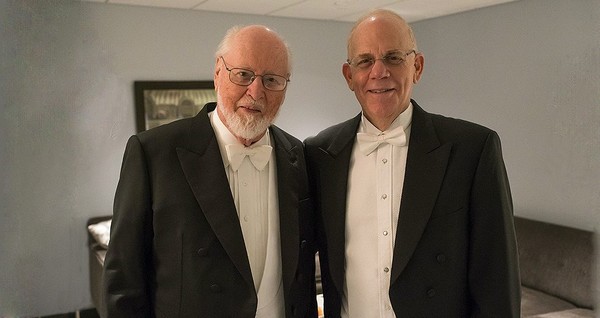
RK: Durante i miei anni da violinista negli studi di Hollywood, ho avuto l’incredibile opportunità di suonare questo strumento per una serie di colonne sonore composte da John Williams. Sono così fortunato ad aver fatto parte di queste partiture e ad essere in grado di chiamarlo mentore, un collega e un amico negli ultimi 42 anni che mi ha ispirato in tanti modi. John è straordinario su così tanti livelli...
Inutile dire che è un maestro nella composizione, non solo per il cinema, ma anche per la sala da concerto. È un superbo orchestratore con una conoscenza totale degli strumenti dell’orchestra. Egli usa questa conoscenza enciclopedica per impiegare apparentemente ogni possibile “colore” musicale nella sua scrittura. Elmer Bernstein una volta disse che l’abilità più importante che un compositore per film deve possedere è quella di essere un grande drammaturgo... cioè essere in grado di sapere cosa farà con la musica e per un film. John è un consumato “drammaturgo”, e il suo senso di ciò che funziona e non funziona è impeccabile. Non importa in che tipo di film è coinvolto... romantico, commedia, azione, suspense, musical, dramma, ecc., John ha una comprensione impeccabile di ciò di cui il film ha bisogno musicalmente. E da quella comprensione unica è venuto Star Wars, Schindler’s List, E.T., Jurassic Park, Harry Potter, Incontri ravvicinati del terzo tipo, Indiana Jones, e tante altre gemme.
Per me, forse la cosa più importante che posso dire di John è che è un essere umano gentile, generoso e molto speciale. Lavorare con lui è un’esperienza che è semplicemente straordinaria e, per me è sempre stata, e continua ad essere, un grande onore. Avere l’opportunità di dirigere la sua musica in concerto è al di là di una qualsiasi aspetto puramente speciale, e serbo nel mio cuore i tempi nei quali ho fatto eseguire, dirigendola, la sua musica nei concerti.
CS: Quale sarà l’eredità e il posto di John Williams nella storia della musica?
RK: Molto semplicemente, John Williams sarà ricordato dal mondo come uno dei più grandi autori di musica della storia. Per quelli di noi abbastanza fortunati da aver lavorato con lui, e in alcuni casi che lo hanno chiamato ‘amico’, sarà ricordato con rispetto, onore, gioia sia per l’aspetto umano che per la musica che ha scritto e scrive ancora.
CS: Pensa che la musica di John Williama sia una piattaforma ideale su cui costruire un nuovo repertorio per orchestre sinfoniche in tutto il mondo?
RK: È un fatto assodato che quando la musica di John Williams viene eseguita nelle sale da concerto, ci sono persone che potrebbero non aver mai nemmeno partecipato a un concerto di un’orchestra sinfonica, e questo include persone di tutte le età e provenienze. Spero che ascoltare la sua musica ispirerà i giovani compositori a concentrarsi sulla scrittura di grandi melodie e armonie invece di scrivere cose che sono così spesso solo, per favore mi perdonino per l’affermazione i compositori di adesso, rumore ridondante. I compositori possono trarre una grande lezione da John Williams in quanto ha creato temi melodici che possono sembrare semplici, ma in realtà continuano a toccare il cuore e l’anima delle persone.
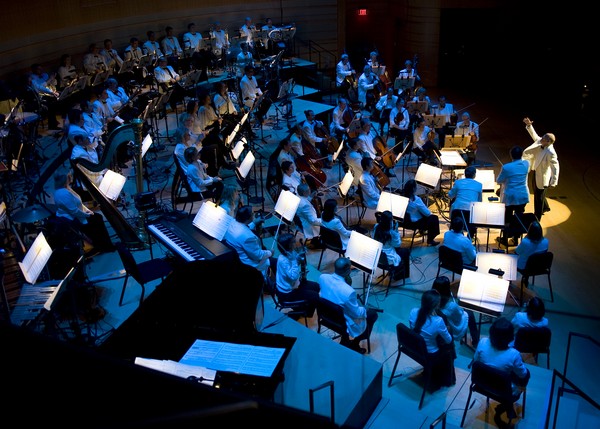
CS: Quali sono i principali problemi, sia tecnicamente che musicalmente, nell’eseguire la colonna sonora di un intero film come viene mostrato da un po' di tempo al pubblico nei cine-concerti Live?
RK: Così spesso una delle “Stelle” del film è la musica che è stata scritta per accompagnarne l’azione sullo schermo. Negli ultimi anni, è emersa una forma di concerto popolare in cui la partitura musicale viene eseguita in sincronia con il film che viene mostrato nella sua interezza al pubblico.
Sento che è fondamentale che un direttore d’orchestra non solo guidi l’orchestra attraverso la partitura, ma che studi il film e la musica in completo dettaglio in modo che venga ricreato, sia musicalmente che tecnicamente, nella maniera più vicina possibile al modo in cui è stata ascoltata nel film originale. Dopo tutto, e in primo luogo, è il motivo per cui quel film e quella musica sono divenute famose! Questo comporta anche la sincronizzazione della musica con l’immagine proprio come era nel film originale.
Questo formato cine-concertistico dovrebbe, a mio parere, concentrarsi su film per cui la musica è diventata davvero memorabile. La maggior parte dei film presentati in concerto in questi anni hanno partiture degne di riconoscimento, e di essere suonati da una grande orchestra sinfonica.
Tuttavia ci sono alcuni casi in cui i film sono portati in concerto solo a causa della loro fama popolare (un esempio è Il padrino, un film assolutamente incredibile, ma che ha poca musica... Credo all’incirca 35 minuti... in un film di circa 3 ore).

CS: Quali sono i suoi film preferiti da dirigere in concerto?
RK: Forse non c’è abbastanza spazio tra le vostre pagine web per elencarli tutti! Dirò che ho alcuni compositori prediletti che hanno scritto alcune delle mie partiture preferite, e mentre la seguente lista è PER NIENTE COMPLETA, qui ci sono alcuni di questi:
John Williams - francamente tutto quello che ha scritto.
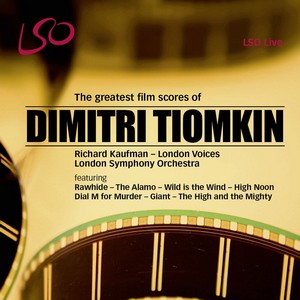
Dimitri Tiomkin - The High and the Mighty; The Old Man and the Sea; Friendly Persuasion; The Alamo
Franz Waxman – “Ride of the Cossacks” da Taras Bulba; Peyton Place; The Bride of Frankenstein (l’intera partitura con il film); Sunset Boulevard
Victor Young - Scaramouch; Around the World in 80 Days; Le canzoni di Victor Young arrangiate da Henry Mancini
Henry Mancini - Thorn Birds; Victor/Victoria; la sua musica da concerto e le sue canzoni
Bernard Herrmann - Psycho (l’intera partitura con il film); North by Northwest (l’intera partitura con il film)
Max Steiner - Casablanca (l’intera partitura con il film); Gone with the Wind
Bruce Broughton - Silverado; Miracle on 34th Street; Harry and the Hendersons
Lee Holdridge – “Love Theme” da Splash; Tuskegee Airmen
Jerry Goldsmith - Chinatown; Poltergeist
Ennio Morricone - Nuovo Cinema Paradiso; The Mission; The Untouchables
E.W. Korngold - Robin Hood
John Barry - Out of Africa
Elmer Bernstein - To Kill a Mockingbird; The Magnificent Seven; Airplane!
Hugo Friedhofer - An Affair to Remember
Randy Newman - The Natural
Richard Rodney Bennett - Murder on the Orient Express
E la lista potrebbe andare avanti e avanti e avanti e avanti e avanti...
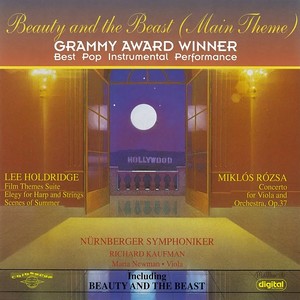
CS: C’è una partitura di un compositore che è particolarmente sottovalutato che vorrebbe eseguire di più per farla scoprire al pubblico?
RK: Ci sono diversi compositori che non sono ‘nomi noti’, ma la cui musica è assolutamente incastonata lassù con il meglio delle colonne sonore per film mai scritte. La breve lista di coloro che credo siano incredibilmente trascurati nelle performance concertistiche è la seguente:
Victor Young
Lee Holdridge
Bruce Broughton
James Newton Howard
E ve ne sono altri ad essere sinceri.
Sito ufficiale: www.kaufmanconductor.com
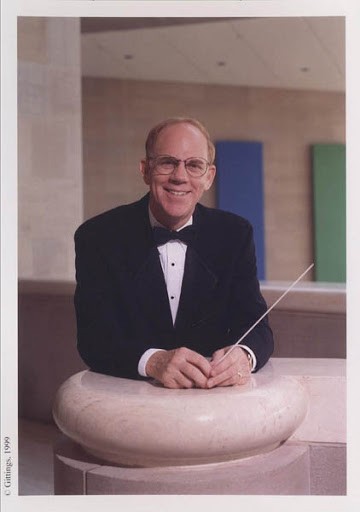
ENGLISH VERSION: Interview by Maurizio Caschetto
1) Maestro Kaufman, would you tell us about your musical background and how did you become a conductor?
I began studying the violin at age 7 in Los Angeles. There were great opportunities to study classical music, but there was also a great deal of film, television, Broadway and vocal music in our lives. I grew to love all kinds of music and especially enjoyed playing in youth orchestras. When I was around 11 years old, I had a desire to not only play the violin, but somehow to also work with the other instruments of the orchestra. I was given the opportunity to conduct my school orchestra, as well as the California Jr. Symphony which was lead by the great conductor and educator Peter Meremblum.
2) You're one of the most acclaimed conductors of film music in concert halls. How and when did you become interested in this specific repertoire?
From a very young age, my parents exposed my brothers and me to all kinds of movies and movie music. I loved hearing the music that accompanied the films. My parents would also purchase film music recordings, and I would play along by ear (without any printed music). My favorite was Around the World in 80 Days with the magnificent Academy Award winning score by Victor Young.
3) What are the main differences in preparing and conducting a concert of classical repertoire and one of film music? What musical issues must a conductor consider?
There really is no difference in preparing classical and film music. As composer Erich Wolfgang Korngold once said "music is music whether it be for the concert hall or the cinema". In preparing both types of music, it is important to understand what the intent of the composer was when they created their music. In film music, there is of course a definite musical "point of view" which accompanies the action on the screen. In the concert performance, I try to recreate that sound as it was heard in the film itself. In classical music, unless it is programmatic (accompanies a story, i.e. opera, ballet), the conductor must use a bit more imagination in presenting the music since Beethoven, Mozart Vivaldi and Bach, to name a few, did not have the opportunity to record their own music…which is actually too bad!! That would have been the perfect reference/study tool.
4) What are your views and affinities toward the music of the great composers of the "Golden Age of film music", including Korngold, Steiner, Waxman, Newman, Tiomkin and Herrmann?
The music of the masters of the so-called "Golden Age of film music" is memorable. Their skill in accompanying the action on the screen was insightful and most of the time the music actually became a "character" in the film. The melodies they created, the harmonic brilliance they displayed was amazing. They literally created an art form. They were to film what Verdi, Puccini and Wagner were to opera, and what Prokofiev, Stravinsky and Tchaikovsky were to ballet. Other than a small number of todays film music composers (John Williams, Jerry Goldsmith, Elmer Bernstein, and a handful of more recent writers), most film composers today pale in comparison to the Waxmans, Korngolds, Steiners, Newmans, Tiomkins, Herrmanns, Youngs, and the other true masters of the craft who established the highest possible standards.
5) What makes John William's music so special and above the rest of todays film composers.
During my years as a violinist in the Hollywood studios, I had the amazing opportunity to play violin on a number of the film scores created by John Williams. I am so blessed to have been part of those scores, and to be able to call him a mentor, a colleague, and a friend for the past 42 years who has inspired me in so many ways. John is extraordinary on so many levels…
Needless to say, he is a master of composition, not only for film, but also for the concert hall.
He is a superb orchestrator with a total knowledge of the instruments of the orchestra. He uses this encyclopedic knowledge to employee seemingly every possible musical "color" in his writing.
Elmer Bernstein once said that the most important skill a film composer must possess is to be a great dramatist…that is, being able to know what music will do to and for a film. John is the consummate "dramatist", and his sense of what works and doesn't work is impeccable. No matter what kind of film he is involved in…romance, comedy, action, suspense, a musical, a drama, etc.… John has an impeccable understanding what the film needs musically. And from that unique understanding has come Star Wars, Schindler's List, E.T., Jurassic Park, Harry Potter, Close Encounters of the Third Kind, Indiana Jones, and so many others gems.
To me, possibly the most important thing I can say about John is that he is a kind, generous, and very special human being. Working with him is an experience that is simply extraordinary and, for me has always been, and continues to be a tremendous honor. To have the opportunity to conduct his music in concert is beyond special, and I cherish the times I have been able to be a part of bringing his music to concert audiences.
6) What will John William's legacy and place in music history be?
Very simply, John Williams will be remembered by the world as one of history's great creators of music. For those of us fortunate enough to have worked with him, and in some cases called him "friend", he will be thought of with respect, honor, joy, and as much for the man he is as for the music he writes.
7) Do you think John William's music is an ideal platform on which to build new repertoire for symphony orchestras around the world?
It is a fact that when John William's music is performed in concert halls, people are there who may never have even attended a symphony orchestra concert, and this includes people of all ages and backgrounds. I would hope that hearing his music will inspire young composers to focus on writing great melodies and harmonies instead of writing stuff that is so often just, please forgive me, redundant noise. Composers can take a great lesson from John Williams in that he has created melodic themes that may seem simple, but in fact are touching peoples' hearts and souls.
8) What are the main issues, both technically and musically, in confronting the performing of an entire film score to the film as it is shown to the audience?
So often one of the "stars" of a film is the music that has been written to accompany the action on the screen. In recent years, there has emerged a popular concert form in which the musical score is performed in sync with the film as it is shown in its entirety to the audience.
I feel that it is crucial that a conductor not only lead the orchestra through the score, but that he or she studies the film and the music in complete detail so that it will be recreated, both musically and technically, as close as possible to the way it was heard in the original film. After all, that's what made it famous in the first place! This also involves synchronizing the music to the picture just as it was in the original film.
This concert format should, in my opinion, focus on films from which the music became truly memorable, often just as memorable as the film itself. Most films being presented in concert these days have scores worthy of recognition, and of being played by a great symphony orchestra. However there are some where the films are shown merely because of their popular titles (one example is The Godfather, an absolutely incredible film, but one which has very little music… I believe somewhere around 35 minutes…in an approx. 3 hour film).
9) What are your favorite film scores to conduct in concert?
Oh my, I'm not sure there's enough paper to list them all! I will say that I have some favorite composers who have written some of my favorite film scores, and while the following list is NO MEANS COMPLETE, here are a few of those:
John Williams - frankly, everything he wrote.
Dimitri Tiomkin - The High and the Mighty; The Old Man and the Sea; Friendly Persuasion; The Alamo;
Franz Waxman - Ride of the Cossacks from Taras Bulba; Peyton Place; The Bride of Frankenstein (entire score with film); Sunset Boulevard
Victor Young - Scaramouch; Around the World in 80 Days; The songs of Victor Young as arranged by Henry Mancini
Henry Mancini - Thorn Birds; music from Victor Victoria; his concert music; his songs
Bernard Herrmann - Psycho (entire score with film); North by Northwest (entire score with film)
Max Steiner - Casablanca (entire score with film); Gone with the Wind
Bruce Broughton - Silverado: Miracle on 34th Street; Harry and the Hendersons
Lee Holdridge - Love Theme from Splash; Tuskegee Airmen
Jerry Goldsmith - Chinatown; Poltergeist
Ennio Morricone - Music from Cinema Paradiso; The Mission; The Untouchables
E.W. Korngold - Robin Hood
John Barry - Out of Africa
Elmer Bernstein - To Kill a Mockingbird; The Magnificent Seven; Airplane!
Hugo Friedhofer - An Affair to Remember
Randy Newman - The Natural
Richard Rodney Bennett - Murder on the Orient Express
And the list could go on and on and on and on and on…
10) Is there a score by a composer who is particularly underrated that you'd like to perform more for the audience to discover?
There are several composers who are not "household names" but whose music is absolutely right up there with the very best who ever wrote film scores. The short list of those I believe who are incredibly overlooked in concert performance is:
Victor Young
Lee Holdridge
Bruce Broughton
James Newton Howard
And there are others to be sure.