A caccia di etichette di colonne sonore: Intrada - Intervista a Roger Feigelson

A caccia di etichette di colonne sonore: Intrada - Intervista a Roger Feigelson (also in english)
Colonne Sonore: Caro Roger quando nasce la tua passione per il mondo delle colonne sonore e l’idea di aprire un negozio nel nord della California e fondare la relativa etichetta discografica?
Roger Feigelson: La mia passione è iniziata quando ero a casa con l’influenza all’età di 10 anni e mio padre ha portato a casa la colonna sonora di Star Wars. Non aveva idea di cosa stesse fomentando in me! Poi è stata la mia passione per la fantascienza che si è tramutata in passione per le colonne sonore sci-fi, mentre stavo collezionandole score tratte da Battlestar Galactica, Buck Rogers, Star Trek – Il film e Black Hole. Questa era ovviamente la fine degli anni ‘70!
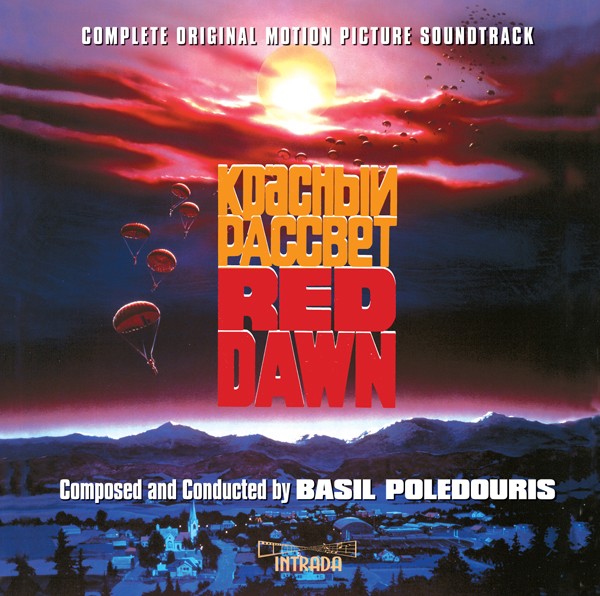
Per quanto riguarda le origini di Intrada, Doug aveva collaborato con un negozio di poster chiamato Cinemonde in Vallejo St a San Francisco. Aveva Jose che gestiva il lato poster dell’attività dietro un bancone, e poi Doug alla sua scrivania dall’altra parte del negozio che vendeva tutte le colonne sonore. Abbastanza accogliente: questo era un negozio di una stanza con un piccolo armadio e un bagno minuscolo. Ma ha funzionato in questo modo per diversi anni fino a quando Doug ha rilevato il suo partner, ha cambiato il nome in Intrada e ha lanciato l’etichetta dopo aver riunito diversi investitori e dato il via con la colonna sonora di Red Dawn di Basil Poledouris, un titolo grande e costoso. Mentre il millennio si chiudeva, Intrada aveva superato la piccola posizione (aveva già affittato un ripostiglio sopra il negozio di alimentari dall’altra parte della strada per l’inventario, ma anche quello non era più sufficiente).

CS: La missione della tua etichetta, sin dagli esordi nel 1984 con l’apertura del negozio specializzato in original soundtracks situato a San Francisco, è stato “preservare la musica delle colonne sonore per un pubblico più ampio possibile per le generazioni a venire”. Direi che ci siete riusciti pienamente: la dimostrazione sta nell’aver pubblicato in 36 anni di onorata attività moltissimi CD di rarità, edizioni estese, prime stampe e reincisioni di grandissimi nomi della Film Music di ieri e di oggi. Se dovessi fare adesso un resoconto sulla vostra avventura, come una delle prime più importanti etichette discografiche esclusivamente dedite alle colonne sonore in America, cosa ti verrebbe subito alla mente? Quale tre le tante soddisfazioni? E forse qualche rimpianto?
RF: È incredibile che siamo arrivati così lontano e ottenuto così tanto dopo tutto quello che abbiamo fatto! Innanzitutto, ci rivolgiamo a un mercato di nicchia, quindi non ci sono molte persone realmente interessate a questa musica. Questo è un bene e un male. Va bene perché se ci fosse un grande mercato, le Major sarebbero ovunque in queste uscite e non ci avrebbero lasciato molto da fare! Il male è che non ci sono molti soldi e quindi non è una priorità per gli Studios. Ma nonostante ciò, molti di loro riconoscono l’interesse e la passione delle persone là fuori, capiscono che la musica fa ancora parte della loro eredità, e averla digitalizzata e conservata è il suo fine più importante. Ma poi ci sono addetti degli Studios che semplicemente non hanno le risorse per aiutarci a scovare documenti ed emettere una licenza. E, comunque, una volta ottenuta la licenza, c’è la questione di trovare i nastri. Alcuni studi hanno archiviato tutto con precisione. Altri hanno letteralmente scaricato i loro padroni in discarica. E nel mezzo hai cose che mancano completamente, danneggiate o tristemente incomplete. A volte il lavoro è come essere una sorta di Indiana Jones (ovviamente senza tutte le morti ed il resto di quei film). Ogni realizzazione, per me, è un piccolo miracolo. Ecco perché la soddisfazione è solo ottenere qualcosa di realizzato. E per quei compositori che sono ancora con noi, il vedere la loro eccitazione quando scoprono che lo stiamo stampando. Non ho rimpianti ai quali pensare.
CS: Avete stampato colonne sonore entrate prepotentemente nella Storia della Settima Arte di autori come Jerry Goldsmith, Bruce Broughton, John Williams, John Barry, Alan Silvestri, James Horner, Basil Poledouris, Pino Donaggio, Richard Band, Ennio Morricone, Henry Mancini, Bernard Herrmann, Bill Conti, etc. etc. Cos’ha comportato discograficamente ottenere i diritti e la conseguente pubblicazione delle score di questi illustri compositori? Quali di questi succitati nomi ha creato più complicazioni nella realizzazione finale del CD, soprattutto nel reperimento delle versioni integrali, quelle che sono tra le più desiderate dai collezionisti?
RF: Non c’è un aspetto dell’attività che dipende da chi è il compositore, ad eccezione di John Williams. La sua squadra è molto coinvolta quando intraprendiamo la pubblicazione della versione estesa di una sua partitura. Il resto, dipende davvero dal licenziante e dalla disponibilità / condizione dei nastri. Quindi è possibile che una partitura di Richard Band risulti più complicata di una partitura di Jerry Goldsmith, se i nastri sono più complicati da scovare e lavorare. Ogni versione, indipendentemente dal compositore, porta le sue sfide. Oppure no, alcuni sono abbastanza semplici.
CS: Vi è un titolo tra le oltre 400 colonne sonore ad oggi pubblicate che ti è più caro e perché?
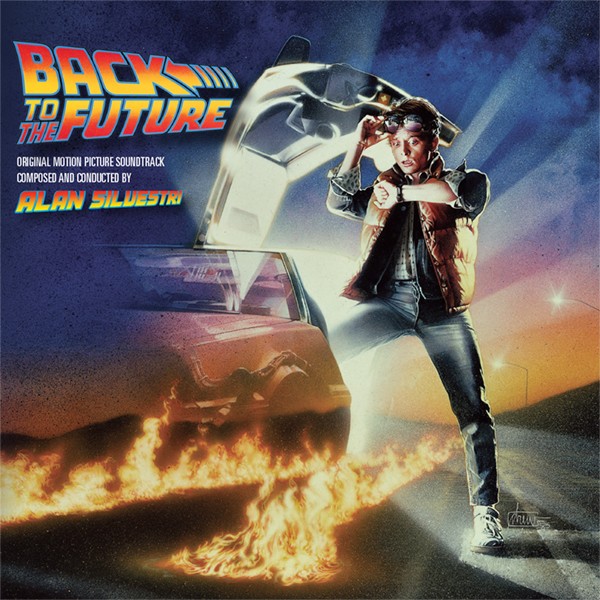
RF: Difficile da individuare tra così tanti, ma Ritorno al futuro ha un posto molto speciale nel mio cuore ed è stato per me il Santo Graal delle pubblicazioni di colonne sonore complete. Era l’Estate prima del mio ultimo anno di liceo e il film del mio primo appuntamento con una ragazza. Non mi aspettavo molto dal compositore di All’inseguimento della pietra verde uscito l’anno prima, ma attendendo nella lunga fila per entrare al cinema, potei ascoltare la musica dei titoli di coda che proveniva dalla hall di ingresso in sala, che mi fece venire la pelle d’oca. All’inizio non mi aspettavo molta azione dal film visto il modo con cui era stato pubblicizzato, ma il tema era magnifico. Ed era proprio quello che ho potuto sentire dall’atrio! Ho anche un forte legame emotivo con The Boy Who Could Fly... quella colonna sonora di Bruce Broughton mi ha fatto scattare qualcosa nel modo giusto.
CS: Altresì, vi è un titolo che vorresti ancora pubblicare e che non riesci a mettere in stampa per svariati motivi?
RF: Oh, ce ne sono alcuni! Mi piacerebbe stampare Un ponte di guai di James Horner, per citarne uno. Gli invasati (totalmente scomparso) di Humphrey Searle. Dr. Jekyll e Mr. Hyde: sull’orlo della follia di Frederic Talgorn (non gli piace la qualità della registrazione), Firefox – Volpe di fuoco di Maurice Jarre, I re del Sole di Elmer Bernstein (mancante), così tanti titoli rimasti, ma la maggior parte sono andati perduti a questo punto...
CS: Delle ri-registrazioni che avete prodotto di colonne sonore della Golden & Silver Age hollywoodiana quale ha comportato più difficoltà da realizzare e perchè?
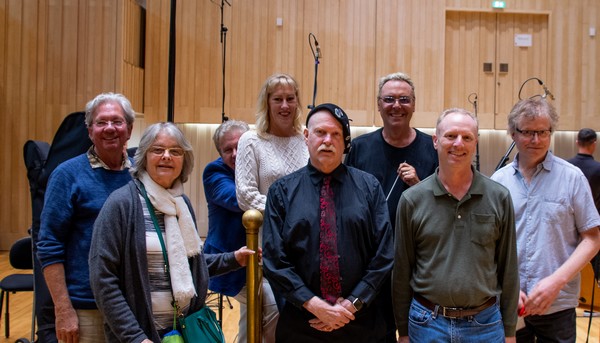
RF: Penso che i più impegnativi siano i titoli della serie Excalibur. Non solo sono i più costosi, ma devono essere ricostruiti da chi sa perfettamente cos’è sopravvissuto dei manoscritti e delle parti originali. Dobbiamo assumere un’orchestra, un direttore d’orchestra, un ingegnere del suono e viaggiare ovunque stiamo registrando. E tutto questo in modo che 1500 persone possano godersi l’album! Ma ne vale la pena! Non posso farlo molto spesso.
CS: Com’è mutato il mercato delle colonne sonore odiernamente rispetto ai vostri esordi, soprattutto con l’avvento dell’impalpabile file digitale e correlati fruitori streaming? Quanto ne hanno risentito le vendite di soundtracks?
RF: Siamo adesso in questo strano spazio in cui il vinile e lo streaming sono popolari e il CD è diventato il figliastro dai capelli rossi. Non è l’esperienza tattile del vinile o portatile come lo streaming, ma è tua da conservare e ha ancora la migliore capacità di riproduzione della registrazione originale (tranne forse il download ad alta risoluzione, ma allora hai bisogno di lettori speciali per quello). Questo ovviamente è cambiato da quando abbiamo iniziato, mentre il vinile stava morendo e il CD era dominante. Il nostro pubblico vuole ancora i CD, quindi è lo stesso per i titoli più richiesti. I titoli minori tendono a fare molto peggio di 10 anni fa, quindi ci siamo allontanati da quelli.
CS: Quale compositore tra le giovani leve ti piacerebbe pubblicare e per quale motivo?
RF: Devo ammettere, come sopra, che la maggior parte delle colonne sonore contemporanee non vende molto bene. Le cose che ci piacevano erano Ma, Happy Death Day 2U, Crawl, alcune di queste erano successi teatrali o franchise popolari. Adoro, adoro davvero, la colonna sonora di Bear McCreary per Happy Death Day 2U, ma la gente non era interessata a un CD. La mia colonna sonora preferita dell’anno scorso è stata il suo Rim of the World, e mi piacerebbe farne un CD, ma chissà se qualcuno lo comprerebbe. Penso che per cose nuove e per un pubblico più ampio il CD sia di scarso interesse.
CS: Credi che tutt’oggi vi sia una migliore attenzione nella realizzazione di score per l’ambito televisivo e dei videogiochi, con più idee leitmotiviche, a mio parere, che in quello cinematografico, dove si nota un qual certo appiattimento tematico?
RF: Non ne sono sicuro. Non riceviamo richieste di colonne sonore di videogiochi e gran parte della TV che ho visto non ha molto da offrire tematicamente. Sembra che la musica sia stata davvero relegata al tappeto sonoro e alla musica d’ambiente che non avresti necessariamente notato e tantomeno vorresti comprare. Ci sono ovviamente delle eccezioni, come Lost in Space di Christopher Lennertz o il meraviglioso Locke & Key di Torin Borrowdale. E la migliore musica che TV e film hanno da offrire oggi: The Orville. Un’incredibile formazione di compositori, principalmente dovuta alla passione di Seth McFarlen per la musica da film. Stiamo facendo Haunting of Bly Manor che ha una bella colonna sonora tematica dei Newton Brothers. Va bene, forse la TV è più interessante di questi tempi!
CS: Qualche anticipazione su nuove edizioni estese o ristampe future da far andare in sollucchero i fan della Film & Tv Music?
RF: Certo ma non lo dico (ride)
Link ufficiale del sito: http://store.intrada.com/
English Version:
CS: Dear Roger, when did your passion for the world of soundtracks and the idea of opening a shop in Northern California and founding the related record label born?
Roger: My passion started when I was home with the flu at the age of 10 and my dad brought home the soundtrack to Star Wars. He had no idea what he was starting! Then it was my passion for sci-fi that dove-tailed into it, as I was getting soundtracks for things like Battlestar Galactica, Buck Rogers, Star Trek The Motion Picture, and the Black Hole. This was obviously the late '70s! As for the origins of Intrada, Doug had partnered with a poster shop called Cinemonde on Vallejo St in San Francisco. You had Jose running the poster side of the business behind a counter, and then Doug at his desk on the other side of shop selling all the soundtracks. Quite cozy -- this was a one-room shop with a tiny closet and tiny bathroom. But it operated that way for several years until Doug bought out his partner, changed the name to Intrada and launched the label after pooling together several investors and kicking it off with Red Dawn, a big and expensive title. As the millenium closed Intrada had outgrown the tiny location (it had already rented out a storage room above the grocery store across the street for inventory, but even that wasn't sufficient anymore).
CS: The mission of your label, since its inception in 1985 with the opening of the store specializing in original soundtracks located in San Francisco, has been "to preserve the music of the soundtracks for the widest possible audience for generations to come". I would say that you have fully succeeded: the proof lies in having published in 36 years of honored activity many rare CDs, extended editions, first prints and re-recordings of the great names of the Film Music of yesterday and today. If you were to give an account now on your adventure as one of the first major record labels exclusively dedicated to soundtracks in America, what would immediately come to mind? Which are the many satisfactions? And maybe some regrets?
Roger: It's amazing that we've come as far and got as much released as we did! First, we're catering to a niche market so there just aren't that many people really interested in this music. That's good and bad. It's good because if there was a large market for this, the major labels would be all over these releases and wouldn't have left much for us to do! The bad is there's not a lot of money in it and therefore it's not a priority for the studios. But in spite of that, many of them recognize the interest and passion of people out there, understand that the music is still part of their legacy, and having it all digitized and preserved is its own important end. But then there are licensors that simply don't have the resources to help dig up paperwork and do a license. And once we get the license, there's the matter of finding elements. Some studios have archived everything precisely. Others literally dumped their masters into landfill. And in between you have stuff that's just missing entirely, damaged, or woefully incomplete. Sometimes the job is like being Indiana Jones (except without all the death and stuff). Every release, to me, is a minor miracle. Which is why the satisfaction is just getting something released. And for those composers still with us, seeing their excitement when they learn we're putting it out. I have no regrets that I can think of.
CS: You have printed soundtracks that have forcefully entered the History of the Seventh Art by authors such as Jerry Goldsmith, Bruce Broughton, John Williams, John Barry, Alan Silvestri, James Horner, Basil Poledouris, Pino Donaggio, Richard Band, Ennio Morricone, Henry Mancini, Bernard Herrmann, Bill Conti, etc. etc. What did obtaining the rights and the consequent publication of the scores of these illustrious composers entail? Which of these aforementioned names created the most complications in the final realization of the CD, especially in finding the full versions, those that are among the most desired by collectors?
Roger: There isn't an aspect of the business that depends on who the composer is, with the exception of John Williams. His team is very involved when we embark on doing an expansion of one of his scores. The rest, it really depends on the licensor and availability/condition of the elements. So it's possible a Richard Band score would be more complicated than a Jerry Goldsmith score, if the elements were trickier to work with. Each release, regardless of composer, brings its own challenges. Or not, some are quite simple.
CS: Is there a title among the more than 400 soundtracks published to date that is more dear to you and why?
Roger: Hard to pinpoint out of so many, but Back to the Future has a very special place in my heart and was a holy grail of complete score releases for me. It was the summer before my senior year in high school and a movie I took my first date on. I hadn't expected a whole lot from the composer of Romancing the Stone the year prior, but waiting in the long line to get into the theater while being able to hear the music from the action set piece at the end of the film from the lobby gave me goosebumps. First I didn't expect that much action from the film from the way it had been advertised, but the theme was magnificent. And that was just from what I could glean from the lobby! I also have a strong emotional connection to The Boy Who Could Fly...something about Bruce's score just clicked the right way with me.
CS: Also, is there a title that you still want to publish and that you are unable to print for various reasons?
RF: Oh there are a few! I would love to do James Horner's Volunteers to name one. Humphrey Searle's The Haunting (missing). Frederic Talgorn's Edge of Sanity (he doesn't like the recording qualit), Firefox, Kings of the Sun (missing), so many titles left, but most are missing at this point...
CS: Of the re-recordings you produced of Hollywood Golden & Silver Age soundtracks, which was the most difficult to make and why?
RF: I think the most challenging ones are the Excalibur titles. Not only are they the most expensive, but they have to be reconstructed from lord knows what survived of the original manuscripts and parts. We need to hire an orchestra, a conductor, an engineer and travel to wherever we're recording. And all this so 1500 people can enjoy the album! But they're worth it! Just can't do it very often.
CS: How has the soundtrack market changed today compared to your beginnings, especially with the advent of the intangible digital file and related streaming users? How much have sales of soundtracks been affected?
RF: We're in this weird space now where vinyl and streaming are popular, and the CD has become the red-headed step child. It's not the tactile experience of vinyl or as portable as streaming, but it's yours to keep and still has the best reproduction capability of the original recording (except perhaps hi-res downloads, but then you need special players for that). That obviously has changed since we started when vinyl was dying and the CD was dominant. Our audience still wants CDs, so it's the same for in demand titles. Smaller titles tend to do much worse than they did 10 years ago, so we have shied away from those.
CS: Which young composer would you like to publish and why?
RF: I have to admit, per above, most contemporary scores don't sell all that well. Things we did like Ma, Happy Death Day 2U, Crawl, some of these were hits in the theater or popular franchises. I love love love Bear's score to Happy Death Day 2U, but people just weren't that interested in a CD. My favorite score of last year was his Rim of the World, and I'd love to do a CD of it, but who knows if anyone would buy it. I think for new stuff and wider audiences the CD is of little interest.
CS: Do you think that even today there is better attention in the creation of scores for television and video games, with more leitmotif ideas, in my opinion, than in the cinema one, where there is more a certain level of thematic flattening?
RF: I'm not sure. We don't get any requests for game soundtracks and much of the TV I've seen don't have that much thematically to offer. Seems like music has really been relegated to texture and ambience which you wouldn't necessarily notice let alone want to buy. There are exceptions of course, with Christopher Lennertz's Lost in Space or Torin Borrowdale's wonderful Locke & Key. And the best music that TV and movies has to offer today -- Orville. Amazing line up of composers, mainly due to Seth McFarlen's passion for film music. We're doing Haunting of Bly Manor which has a lovely thematic score by The Newton Brothers. Okay maybe TV is more interesting these days!
CS: Any anticipation on new extended editions or future reprints to delight Film & Tv Music fans?
RF: Of course, but I'm not telling!