Una Révolution elettro-classica - Intervista esclusiva a Saycet

Una Révolution elettro-classica - Intervista esclusiva a Saycet
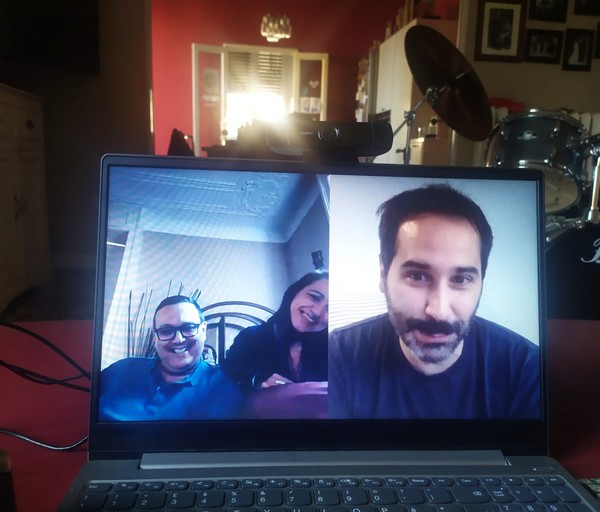
Io e Daniela Bocconi abbiamo avuto il grande piacere di intervistare via Skype Pierre Lefeuvre, in arte Saycet, autore delle musiche della coinvolgente e stregante serie horror La Révolution, nella nostra decima puntata del format “Vis a Vis – Tra Mente e Immagine”, nella quale chiacchieravamo proprio della succitata serie Netflix (il link per chi si fosse perso la puntata: http://visavismenteimmagine.it/2020/11/12/la-revolution/). Quindi ho approfittato dell’enorme disponibilità e simpatia di Saycet nel porgli altre domande alle quali non ha potuto rispondere per problemi di tempo durante l’intervista video. Scoprirete così un autore molto interessante con un’idea ben precisa sul come scrivere musica applicata alle immagini odiernamente, con un sincero sguardo al passato.
Colonne Sonore: Ci racconti qual è la tua formazione musicale e come ti sei avvicinato al mondo delle colonne sonore? E perché hai scelto il nome d’arte di Saycet?
Saycet: Sono autodidatta, ho iniziato la musica all’età di 5 anni, quando mio padre ha comprato un sintetizzatore per divertimento; ci ho passato molto rapidamente più tempo di lui, più tardi ho imparato la chitarra, il pianoforte ma sempre istintivamente e successivamente ho studiato ingegneria del suono. Il mio viaggio musicale è abbastanza coerente quando si ascolta la mia musica. Il nome Saycet deriva da un’epoca in cui stavo cercando un nome d’arte ed ero appena arrivato a Parigi e non conoscevo molte persone; un pomeriggio stavo camminando nella parte egittologica del Louvre, i miei occhi sono rimasti fissi su un nome di un albero genealogico, “Saïset” (che era un generale di Ra). Mi è piaciuto il suono poi l’ho cambiato in Saycet.
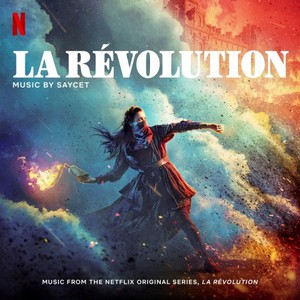
CS: Nel tuo score per la rivoluzionaria (è proprio il caso di dirlo!) e visionaria serie horror/action francese La Révolution, recente new entry di Netflix, si ascolta un legittimo e poderoso mix tra brani classici (Handel, Bach e Beethoven, tra gli altri), da te anche rivisitati sinteticamente, e pezzi tuoi originali dal robusto afflato sinfo-elettronico. Ho ravveduto assonanze con la Wendy Carlos di Arancia meccanica e il Moroder e i Tangerine Dream delle soundtracks anni ’80. Una sarabanda musicale che rende ancora più destabilizzante e ipnoticamente affascinante la serie e i suoi straordinari protagonisti e colpi di scena episodio dopo episodio. Ci racconti qual è stato il tuo intento primario nel comporre lo score e quali le indicazioni della produzione e dei vari registi se ve ne sono stati?
Saycet: Il punto di partenza fu la “Sarabanda” di Barry Lyndon, che è stata posizionata sulle immagini prima che lavorassi alle composizioni. Mi è sembrato ovvio ispirarmi al lavoro di Wendy Carlos come tributo a Kubrick, ma alla fine è più il genere che ha preso il controllo e i riferimenti a John Carpenter sono più qualcosa di collegato al mio inconscio e a quello collettivo dell’horror, che è una specie di guida per il mio score. Non avevo alcuna indicazione dalla produzione a parte: “deve essere potente”. Da lì potevo davvero andare dove volevo.
CS: Come ti sei trovato per la prima volta a scrivere musica per una compagine orchestrale di 22 elementi per la colonna sonora di La Révolution, nella quale, ad ogni modo, prevale un violoncello solista dalle ondulazioni minimali alla Philip Glass che interpreta, insieme al piano, il tema principale dall’alienante bellezza barocca?
Saycet: Riassume il mio viaggio, i miei gusti, le mie influenze e le mie ispirazioni. Ho intrapreso la videomusica 5 anni fa e gradualmente sono stato portato a lavorare su progetti sempre più ambiziosi fino alla Révolution. Il mio lavoro sulle immagini è sempre stato ispirato dal minimalismo americano degli anni ‘60 combinato con una ricerca sonora che proviene dal mio viaggio più elettronico. Sulla Révolution c’era un’ambizione “romantica”, quindi a volte volevamo sentire il suono di un’orchestra più grande, da qui la mia collaborazione con i 22 elementi.
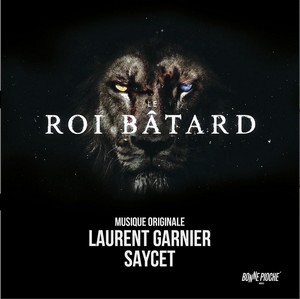
CS: Predominano nella tua musica e nel tuo modo di concepirla suoni sintetici techno pop e melodie classicheggianti molto ambient e delicate che conducono ad una sorta di viaggio sonoro ad occhi chiusi che apre a diversi mondi musical-mnemonici interessantissimi e assuefacenti. Anche nelle colonne sonore scritte per il documentario Bastard Lion (2020) e la serie Tycoon (2017 – 2020), nonché, ovviamente, la succitata La Révolution, ho ascoltato paesaggi compositivi alla Toto del film Dune, industrial music alla Popol Vuh e artifici sperimentali alla Vangelis o i già citati Tangerine Dream. Cosa accade quando componi per le immagini e se questi riferimenti appena menzionati fanno sempre parte del tuo modus scribendi?
Saycet: Assolutamente no! Penso che i miei riferimenti traspariranno nella mia musica ma nel momento in cui compongo per le immagini ho un rapporto molto istintivo in cui cerco di dimenticare il più possibile i legami ad alcuni codici compositivi preesistenti e persino la scelta dei suoni. Mi sono lasciato andare completamente. È, finalmente, in una seconda fase che mi rendo conto della scelta degli strumenti che ho usato, delle tecniche o dei suoni. Dopo diverse scene cerco di sintetizzare i suoni in modo che ci sia continuità nella storia del suono stesso. A parte le cover dei classici, non penso a monte sul tipo di lavoro che offrirò. Lo faccio e poi consiglio.
CS: Cosa ti riserva il futuro nell’ambito della musica applicata alle immagini?
Saycet: Auspico cose belle e incontri umani nuovi. Ho appena finito la musica per il primo lungometraggio di Noemie Merlant, che è un film molto intimo, metà della colonna sonora è fatta con chitarra acustica, l’altra è un’elettronica abbastanza sensibile che potrebbe essere simile al mio primo album “One Day At Home”. Sto anche progettando un altro documentario con la stessa squadra di Bastard Lion, questa volta sugli squali.
Un ringraziamento speciale a Stephane Viard, Tom Hewitt-Jones, Zac Banks e Aoife Lavery per il contatto con Saycet e a quest’ultimo per la sua straordinaria disponibilità, simpatia e cortesia.
English Version:
Colonne Sonore: Can you tell us what your musical training is and how did you approach the world of soundtracks? And why did you choose the stage name of Saycet?
Saycet: I am self-taught, I started music at the age of 5, when my father bought a synthesizer for fun. I very quickly spent more time on it than him, later I learned the guitar the piano but always instinctively then I studied sound engineering. My musical journey is quite consistent when you listen to my music. The name Saycet comes from a time when I was looking for a stage name. I had just arrived in Paris and I did not know many people, one afternoon I was walking in the egyptology part of the Louvres, my eyes landed on a name of a genealogical tree, "saïset" (which was a general of Ra). I liked the sound then I changed it to Saycet.
CS: In your score for the revolutionary (it really needs to be said!) And visionary French horror / action series La Révolution, a recent Netflix new entry, you hear a legitimate and powerful mix of classic songs (Handel, Bach and Beethoven, among others), which you have also revisited synthetically, and your original pieces with a robust sinfo-electronic inspiration. I found similarities with the Wendy Carlos of A Clockwork Orange and the Moroder and Tangerine Dream of the 80's soundtracks. A musical saraband that makes the series and its extraordinary protagonists and twists episode after episode even more destabilizing and hypnotically fascinating. Can you tell us what your primary intent was in composing the score and what are the indications of the production and of the various directors if there were any?
Saycet: The starting point was Barry Lyndon’s saraband, which was placed on the images before I worked on the compositions. It seemed quite obvious to me to be inspired by the work of Wendy Carlos as a tribute to Kubrick but ultimately it is more the genre that took over and the references to John Carpenter are more attached in the collective unconscious to the horror, that's kind of what guided my covers. I did not have any indication of the production apart, "it must be powerful". From there I could really go where I wanted.
CS: How did you find yourself for the first time writing music for a 22-piece orchestral team for the soundtrack of La Révolution, in which, in any case, a solo cello with minimal undulations like Philip Glass prevails, which he plays together with the piano the main theme of the alienating Baroque beauty?
Saycet: I can't really understand the question but it just summarizes my journey, my tastes, my influences and my inspirations. I started video music 5 years ago and gradually I was led to work on more and more ambicious projects until the Revolution. My image work has always been inspired by the American minimalism of the 60s combined with a sound research that comes from my more electro journey. On the revolution there was a "romantic" ambition so we sometimes wanted to hear the sound of an orchestra more provided, hence my collaboration with the 22 piece orchestral.
CS: In your music and in your way of conceiving it, synthetic techno pop sounds and very ambient and delicate classical melodies predominate that lead to a sort of sound journey with closed eyes that opens up to different very interesting and addictive musical-mnemonic worlds. Also in the soundtracks written for the documentary Bastard Lion (2020) and the Tycoon series (2017 - 2020), as well as, of course, the aforementioned La Révolution, I listened to compositional landscapes at the Toto of the film Dune, industrial music at the Popol Vuh and experimental artifices to Vangelis or the aforementioned Tangerine Dream. What happens when you compose for images and if these references just mentioned are always part of your modus scribendi?
Saycet: Absolutely not. I think that my references transpire in my music but at the moment when I compose for the images. I am in a very instinctive relationship where I try to forget as much as possible the references the codes and even the choice of the sounds. I let myself go completely. It is finally in a second step that I realize the choice of the instruments that I used, the techniques or the sounds. After several scenes I try to synthesize the sounds so that there is continuity in the sound story, but apart from the covers of classics, I do not think upstream on the type of work that I am going to offer. I do and then I advise.
CS: What does the future hold for you in the field of music applied to images?
Saycet: I hope for beautiful things and human encounters. I have just finished the music for Noemie Merlant's first feature film, which is a very intimate film, half of the soundtrack is made with accoutic guitar, the other is a fairly sensitive electro that could be similar to my first album "One day at home". I'm also planning another documentary with the same team as Bastard Lion, this time on sharks ... so to follow.