Il mio nome è Craig Safan

Il mio nome è Craig Safan – Intervista esclusiva al compositore di Giochi Stellari e tanti altri cult anni ‘80
Abbiamo scambiato quattro chiacchiere con uno dei compositori più famosi degli anni mirabolanti della musica per film, gli ottanta, in cui si fondevano alla perfezione pagine sinfoniche con interventi sintetici, sfornando una sequenza infinita di capolavori cine-musicali della Settima e Ottava Arte, rimasti indelebili nella mente dichiaratamente cinefila di noi tutti. Parliamo di Craig Safan, nato il 17 dicembre del 1948 a Los Angeles in California, colui che ha dato i natali a partiture iconiche quali Giochi Stellari, Il mio nome è Remo Williams e Nightmare 4 – Il non risveglio. Una carriera smagliante che lo ha visto pluripremiato per una delle serie TV più amate del piccolo schermo, Cin Cin, e costellata di tanti incontri importanti.
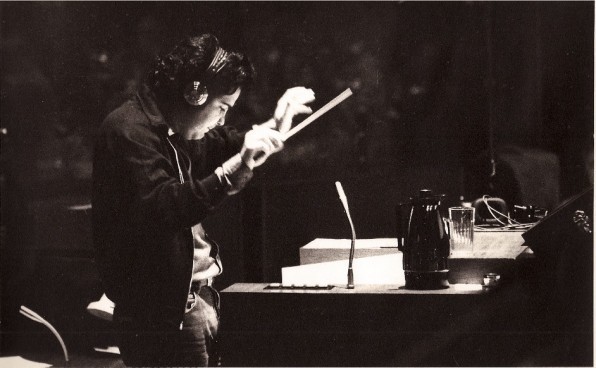
Colonne Sonore: La tua formazione musicale, sin dalla tenera età, è stata influenzata dal jazz sofisticato e libero da schemi di Thelonious Monk, Scott Joplin, Bill Evans, Hampton Hawes, George Gershwin e dalla complessa e innovativa scrittura della “Sagra della Primavera” di Igor’ Fëdorovič Stravinskij, primo brano di musica classica da te studiato in gioventù. Poi hai scoperto il pop e il rock dei Beatles e dei Rolling Stone, non ultima la musica elettronica e la frequentazione di cover band rock come cantante e strumentista. Tutto questo bagaglio sonoro come ha indirizzato successivamente la tua strada verso la musica applicata alle immagini?
Craig Safan: Penso che il fatto che non fossi un musicista di formazione classica (frequentavo l’università di Belle Arti) e la mia passione per molti stili diversi di musica mi aveva reso un compositore molto eclettico. Ho composto colonne sonore di film dalla commedia all’horror usando l’elettronica fino a orchestre classiche e tutto il resto. Mi piace saltare da uno stile all’altro. Si spera che la mia voce arrivi attraverso tutti questi diversi stili!
CS: Cosa ricordi del tuo periodo collaborativo con il produttore di Bruce Springsteen, Charles Plotkin, nel suo piccolo studio di registrazione a Hollywood, in qualità di giovane cantautore, lavorando insieme ai figli di veterani della musica per film quali Fred Steiner, Ernest Gold e Elmer Bernstein? In quegli anni hai pure scritto diverse canzoni per le note Linda Ronstadt e Jennifer Warnes. Quanto ha contato quella esperienza nella tua formazione di compositore per immagini?
Craig Safan: Durante i miei giorni in cui scrivevo canzoni, poco più che ventenne, non avevo pensato di diventare un compositore di musica per film. Non sapevo nemmeno che fosse una vera professione. Ho scritto canzoni e suonato con mio fratello, Mark, chiamandoci ‘Safan Brothers’. Facevamo parte della “scuderia” di giovani talenti di Chuck Plotkin e avevamo accesso notturno al suo studio di registrazione per fare i nostri demo. Ho imparato a lavorare in uno studio di registrazione e a suonare con altri musicisti. Casualmente, molti di quegli altri musicisti erano figli e figlie di famosi compositori cinematografici. Erano andati tutti a scuola insieme. Quando sono entrato nella composizione per film ho contattato i padri dei miei amici e sono diventati i miei mentori!
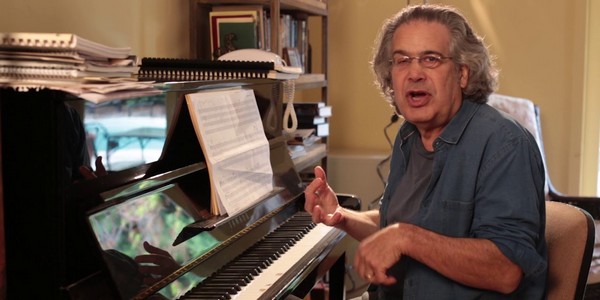
CS: A 24 anni hai realizzato per puro caso la tua prima colonna sonora per un horror low budget in Super 16mm, mai approdato sullo schermo, The Demon’s Daughter, di un giovane regista di nome John McTiernan, che sarebbe diventato un grande regista di action movies – vedi Predator, Trappola di cristallo, Caccia a Ottobre Rosso, Last Action Hero –. Come ti sei sentito a doverti approcciare per la prima volta alla musica per un film? Quali timori avevi?
Craig Safan: Mi sono subito sentito a mio agio a scrivere per film. Sono sempre stato un compositore visivo e drammatico avendo avuto un profondo amore per i musical di Broadway. Scrivere per The Demon’s Daughter è stato come trovare una casa. A quel punto sapevo che avrei dovuto scrivere per i film e non ho mai guardato indietro!
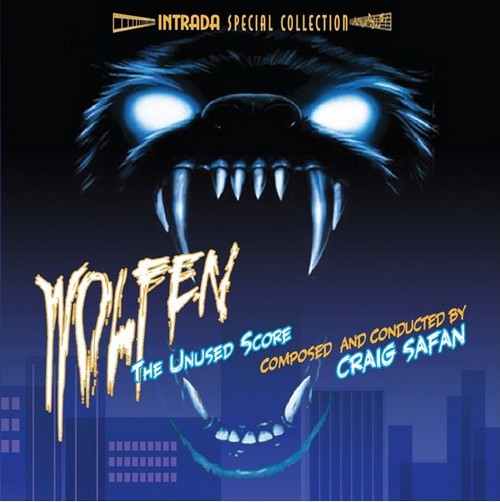
CS: Da quel primo film è avvenuto il grande salto verso pellicole e documentari di svariati generi (horror, comici, azione, avventura, thriller), tra cui la tua partitura atonale e molto sperimentale per Wolfen (1981) che venne eliminata, come anche il regista del film che fu sostituito, con quella di un giovane James Horner. Cosa provasti all’epoca nel vederti rifiutato lo score nel quale avevi sperimentato nuovi approcci compositivi?
Craig Safan: Wolfen è stato il primo e unico score che mi sia stato rifiutato. È stato molto doloroso. Tuttavia, non avevo rancore nei confronti di James e negli anni ho sostituito tre o quattro spartiti io stesso. È solo una parte del business delle colonne sonore. Il mio agente mi ha detto che Miklos Rosza gli raccontò che il segno della maturità in un giovane compositore è avere la sua partitura rifiutata!
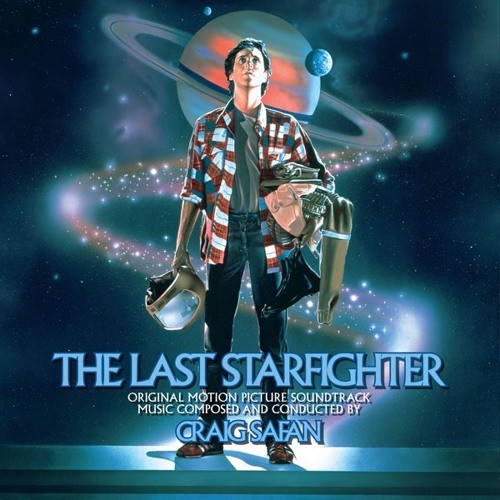
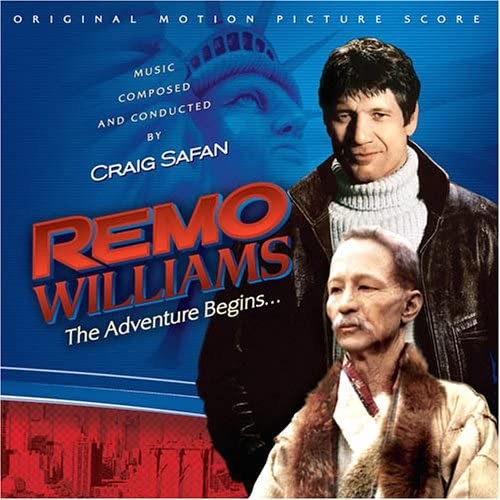
CS: Dei veri e propri cult tra cinefili e collezionisti di colonne sonore sono divenute le tue due partiture più importanti, a detta di molti musicologi e critici cine-musicali, ovvero Giochi Stellari (The Last Starfighter, 1984) e Il mio nome è Remo Williams (Remo Williams: The Adventure Begins, 1985). Due score dai tratti in comune molto marcati: la prima, un sinfonismo araldico e la seconda, adrenalina sinfo-elettronica dalle nuance orientaleggianti, con l’incipit del tema portante similare. Che ne pensi a riguardo, oggi che sono passati ben 36 anni dal primo film fantascientifico e 35 da quello avventuroso?
Craig Safan: Amo ancora entrambi questi spartiti. The Last Starfighter è il mio lavoro più eseguito e penso che regga ancora bene. Remo Williams è stata sicuramente la mia colonna sonora più complessa con un’intera orchestra, 24 tracce di Synclavier e un’orchestra coreana. È appena uscita di nuovo, questa volta come doppio vinile. Sono orgoglioso di entrambi gli score.
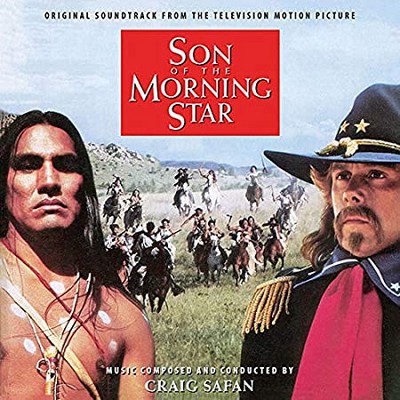
CS: Considero la tua scrittura per la miniserie TV del 1992 Custer figlio della stella del mattino (Son of the Morning Star) un vero capolavoro tra grandeur sinfonica ed adagi quasi barberiani dal forte afflato emotivo. Una scrittura densa e pregna di espressioni musicali che si apprezzano fin dal primo ascolto del CD pubblicato dalla Intrada ed anche dopo la visione del western narrante epopee leggendarie. Com’è stato prendere parte a questo progetto televisivo?
Craig Safan: Questo è stato un progetto meraviglioso in cui essere coinvolti. Tutti erano sulla stessa linea e molto solidali. Sono stato molto felice quando Intrada ha pubblicato la colonna sonora completa su 2 CD alcuni anni fa. Ho lavorato duramente per far sì che l’intera miniserie avesse una voce unica. Ho usato principalmente archi con pochi ottoni e legni per la parte “caucasica” della storia, e vere melodie dei nativi americani e un suonatore di flauto con percussioni per la parte dei nativi americani. Ho fatto molte ricerche prima di comporre.
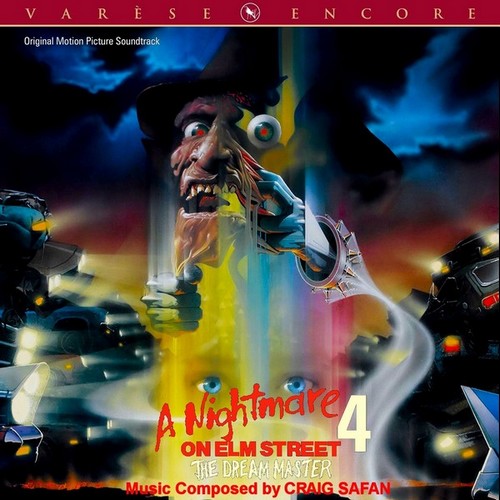
CS: Nella popolare saga horror cult del pauroso Freddy Krueger, ideata dal compianto Wes Craven, Nightmare, tu hai elaborato le musiche prettamente elettroniche e spiazzanti per il quarto capitolo dal titolo A Nightmare on Elm Street 4: The Dream Master (Nightmare 4 – Il non risveglio, 1988). Quanto era difficile all’epoca inventare sonorità elettroniche nuove e come metterle in pratica, data l’enormità di influenze musicali del medesimo tipo provenienti da altri gruppi o autori anche di film music quali Tangerine Dream, Popol Vuh, Giorgio Moroder, Vangelis?
Craig Safan: Ho iniziato a lavorare nell’Electronic Music Studio della mia università alla fine degli anni ‘60, quindi non ho mai avuto problemi a trovare il mio approccio alla musica sintetizzata. L’ho usata in quasi tutte le mie colonne sonore dall’inizio della mia carriera. Penso di essere stato tra i primi a comporre una partitura interamente elettronica nei primi anni ‘80 per Warning Sign (Invada Records), in italiano Allarme rosso (1985).
CS: Nella tua filmografia vi sono una sequela di famose serie tv quali Storie incredibili (Amazing Stories, 1985 – 1986), Ai confini della realtà (The Twilight Zone, 1985 – 1986), Alfred Hitchcock presenta (Alfred Hitchcock presents, 1985), I racconti della cripta (Tales from the Crypt, 1989 – 1996), Supercarrier (Id. – 1988), nonché la sitcom per il quale ti sei aggiudicato per sette volte il premio per la miglior colonna sonora ASCAP Film and Television Music Awards, ossia Cin Cin (Cheers, 1982 – 1993). Cos’ha significato lavorativamente scrivere una mole di musiche per tutte queste serie e tante altre che non ho menzionato a differenza del comporre per un singolo film?
Craig Safan: Mi è piaciuto lavorare sulla maggior parte di quelle serie (e molte altre). La televisione è un buon posto per provare nuove idee. I produttori e i dirigenti dello studio non hanno molto tempo per intromettersi. Inoltre, non dimenticare che tutti noi compositori stiamo cercando di guadagnarci da vivere scrivendo musica ... non è una cosa facile! Cheers ha pagato i conti per molti anni ed è ancora in programmazione in tutto il mondo.
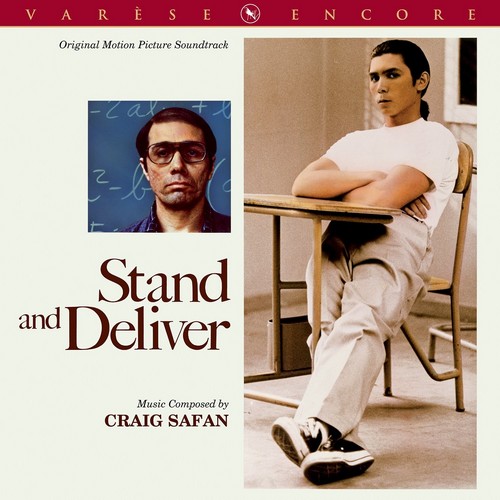
CS: Quale ritieni sia la colonna sonora che più ti rappresenta stilisticamente?
Craig Safan: Difficile da dire. Sono un camaleonte stilistico. Una colonna sonora che sento molto rappresentativa del mio stile è Stand and Deliver (La forza della volontà, 1988). È una combinazione di elettronica e strumenti dal vivo con molti suoni etnici. Ho campionato e creato io stesso tutte le percussioni sul Synclavier. Penso che abbia un tema principale molto forte ed emotivo.
CS: Negli ultimi anni sei tornato a comporre per il teatro, però dal 2005 hai realizzato le musiche per accompagnare alcuni degli show circensi per il Ringling Bros. e Barnum & Bailey Circus. Una nuova sfida nella tua carriera che ti chiedo di raccontarci in dettaglio, anche perché è un modo differente di scrivere musica che non ha un corrispettivo visivo come per il Cinema e la TV.
Craig Safan: Scrivere per uno spettacolo dal vivo è simile a scrivere per un film. Ogni atto ha una storia individuale da raccontare. La cosa più importante da ricordare è che il circo viene eseguito in enormi arene sportive al coperto, quindi la musica deve essere molto sonora, rock ed energica per essere tagliata bene.
CS: Un’ultima domanda, forse la più complicata alla quale rispondere: qual è per te il significato di “Musica applicata alle Immagini”?
Craig Safan: Quando vedo un’immagine posso immediatamente sentire quale musica potrebbe accompagnarla. Questo è un processo molto naturale per me. Per me la musica è piuttosto visiva. Non mi sembra mai di avere alcun problema a inventare una “paletta” di suoni per ogni film che vedo.
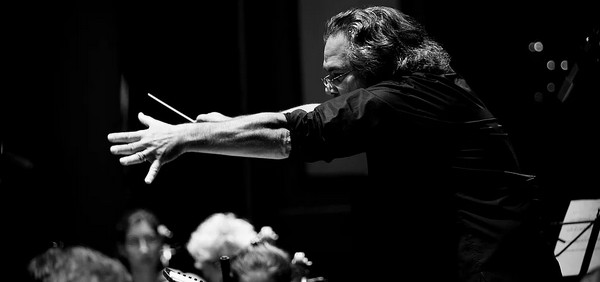
Ringraziamenti speciali a Peter Hackman della NoteforNote Music per averci procurato il contatto con il Maestro Safan, il quale ci ha regalato la sua preziosa disponibilità e cortesia
English Version:
Colonne Sonore: Your musical education, from an early age, has been influenced by the sophisticated and unconventional jazz of Thelonious Monk, Scott Joplin, Bill Evans, Hampton Hawes, George Gershwin and the complex and innovative writing of the "Rite of Spring" by Igor 'Fëdorovič Stravinskij, the first piece of classical music you studied in your youth. Then you discovered the pop and rock of the Beatles and Rolling Stone, not least electronic music and the frequentation of rock cover bands as a singer and instrumentalist. How did all this sonic baggage subsequently direct your path towards music applied to images?
Craig Safan: I think the fact that I wasn't a classically trained musician (I was a Fine Arts major at my university) and my fascination with many different styles of music had made me a very eclectic composer. I've composed films scores from comedy to horror using electronics to full classical orchestras and everything in-between. I enjoy jumping from one style to another. Hopefully, my own voice comes through all the different styles!
CS: What do you remember of your time collaborating with Bruce Springsteen producer Charles Plotkin in his small recording studio in Hollywood as a young songwriter, working with the sons of veterans of music on films such as Fred Steiner, Ernest Gold and Elmer Bernstein? In those years you also wrote several songs for the well-known Linda Ronstadt and Jennifer Warnes. How important was that experience in your training as a composer for images?
CSafan: During my songwriting days in my early twenties I had no thought of becoming a film composer. I didn't even know it was an actual profession. I wrote songs and performed with my brother, Mark, as the "Safan Brothers". We were part of Chuck Plotkin's "stable" of young talent and had nighttime access to his recording studio to make our demos. I learned how to work in a recording studio and play with other musicians. Serendipitously, many of those other musicians were the sons and daughters of famous film composers. They had all gone to school together. When I fell into film composition I reached out to my friends' fathers and they became my mentors!
CS: At the age of 24, you accidentally made your first soundtrack for a low-budget horror movie in Super 16mm that never made it to the screen, The Demon's Daughter, by a young director named John McTiernan, who was to become a great action director. movies - see Predator, Die Hard, The Hunt for Red October, Last Action Hero -. How did you feel about having to approach music for the first time for a film? What fears did you have?
CSafan: I immediately felt comfortable writing for film. I was always a visual and dramatic composer having had a deep love of Broadway musicals. Writing for The Demon's Daughter was like finding a home. I knew at that point that I should be writing for film and never looked back!
CS: From that first film came the great leap towards films and documentaries of various genres (horror, comedy, action, adventure, thriller), including your atonal and very experimental score for Wolfen (1981) which was eliminated, as well as the director of the film that was replaced, with that of a young James Horner. How did you feel at the time when you were refused the score in which you had experimented with new compositional approaches?
CSafan: Wolfen was the first and only score I've ever had thrown out. It was very painful. However, I had no ill feelings towards James and over the years I've replaced three or four scores myself. It's just part of the film scoring business. My agent told me that Miklos Rosza said that the mark of maturity in a young composer is having his or her score thrown out!
CS: Real cults among cinephiles and soundtrack collectors have become your two most important scores, according to many musicologists and cine-music critics, namely The Last Starfighter, 1984 and Remo Williams: The Adventure Begins, 1985. Two scores with very marked features in common: the first a heraldic symphony and the second symphonic-electronic adrenaline with oriental nuances, with the beginning of the similar main theme. What do you think about it today that 36 years have passed since the first science fiction film and 35 from the adventurous one?
CSafan: I still love both those scores. The Last Starfighter is my most performed work and I think it holds up well. Remo Williams was definitely my most complex score with a full orchestra, 24-tracks of Synclavier, and a Korean orchestra. It's just been released yet again, this time as a double vinyl record. I'm proud of both scores.
CS: I consider your writing for the 1992 TV miniseries Son of the Morning Star a true masterpiece of symphonic grandeur and almost barberian adagi with a strong emotional inspiration. A dense writing and full of musical expressions that can be appreciated from the first listening to the CD published by Intrada and also after the vision of the western narrating legendary epics. What was it like taking part in this television project?
CSafan: This was a wonderful project to be involved in. Everyone was on the same page and very supportive. I was very happy when Intrada released the complete score on 2 cd's a few years ago. I worked hard to make the entire mini-series have a unique voice. I used mostly strings with a few brass and woodwinds for the "Caucasian" part of the story, and actual Native American melodies and flute player with percussion for the Native American side. I did a lot of research before composing.
CS: In the popular cult horror saga of the scary Freddy Krueger, created by the late Wes Craven, Nightmare, you created the purely electronic and unsettling music for the fourth chapter entitled A Nightmare on Elm Street 4: The Dream Master (1988). How difficult was it at the time to invent new electronic sounds and how to put them into practice, given the enormity of musical influences of the same type from other groups or authors of film music such as Tangerine Dream, Popol Vuh, Giorgio Moroder, Vangelis?
CSafan: I started working in the Electronic Music Studio at my university in the late 1960's so I never had any problem coming up with my own approach to synthesizer music. It's been in almost all my scores from the beginning of my career. I think I was among the first who composed an entirely electronic score in the early 80's for Warning Sign (Invada Records).
CS: In your filmography there are a series of famous TV series such as Amazing Stories (1985 - 1986), The Twilight Zone (1985 – 1986), Alfred Hitchcock presents (1985), Tales from the Crypt (1989 - 1996), Supercarrier (1988), as well as the sitcom for which you won seven times the award for best soundtrack ASCAP Film and Television Music Awards, namely Cheers (1982 - 1993). What did it mean working to write a lot of music for all these series and many others that I did not mention, unlike composing for a single film?
CSafan: I enjoyed working on most of those series (and many others). Television is a good place to try out new ideas. The producers and studio executives don't have much time to get in the way. Also, don't forget that all us composers are trying to make a living writing music... not an easy thing to do! Cheers paid the bills for many years and is still running all over the world.
CS: What do you think is the soundtrack that best represents you stylistically?
CSafan: Hard to say. I'm a stylistic chameleon. One score that I feel is very much representative of me is Stand and Deliver. It's a combination of electronics and live instruments with lots of ethnic sounds. I sampled and created all the percussion myself on the Synclavier. I think it has a very strong and emotional main theme.
CS: In recent years you have returned to composing for the theater, but since 2005 you have made the music to accompany some of the circus shows for Ringling Bros. and Barnum & Bailey Circus. A new challenge in your career that I ask you to tell us in detail, also because it is a different way of writing music that does not have a visual equivalent as for Cinema and TV.
CSafan: Writing for a live show is similar to writing a film. Each act has an individual story to tell. The biggest thing to remember is that the circus is performed in huge indoor sports arenas so the music must be very brassy and rocking and energetic to cut through.
CS: One last question, perhaps the most complicated to answer: what is the meaning of "Music applied to Images" for you?
CSafan: When I see an image I can immediately feel what music might go with it. This is a very natural process for me. To me music is quite visual. I never seem to have any problem coming up with a "pallet" of sounds for each film I see.