Intervista esclusiva a Reinhold Heil

La musica è la più astratta delle arti - Intervista esclusiva a Reinhold Heil
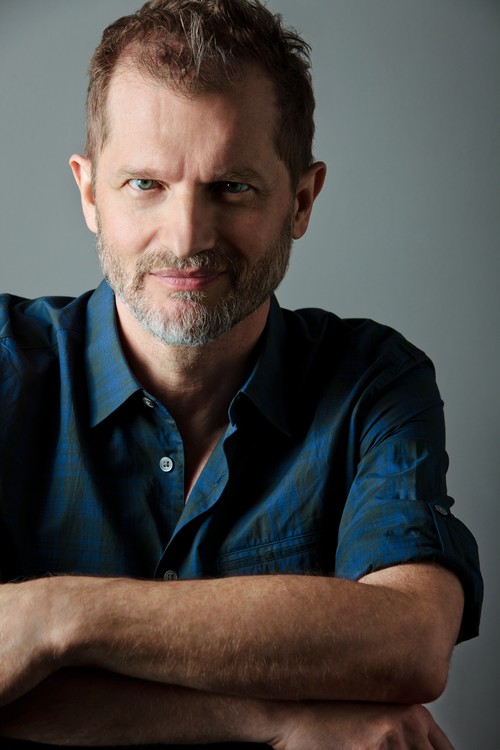
Basterebbe nominare pellicole quali Lola corre, Profumo: storia di un assassino e Cloud Atlas per avere già un’idea di chi abbiamo incontrato. Film citati sempre e comunque in riferimento non soltanto alla qualità inconfutabilmente visiva ma anzitutto per le pertinenti colonne sonore, scritte con differenti stilemi musicali, eppur con grande verve innovativa e sperimentale compositiva, dal duo Johnny Klimek e Reinhold Heil, supportati da Tom Tykwer che di questi film ne è stato un regista visionario. Del succitato noto duo di compositori, abbiamo avuto l’enorme piacere di intervistare il tedesco Reinhold Heil, classe 1954, residente a Los Angeles, plurinominato e premiato autore di colonne sonore per TV e Cinema (all’incirca una sessantina), che è stato, appena ventenne, negli anni ottanta uno dei massimi esponenti di musica elettronica eseguita ai synth.
Nella scena musicale berlinese è divenuto popolare come tastierista di una band jazz funk fusion, coniugando jazz, rock ed elettronica in un suono unico e originale. Anni dopo, Heil ha fatto concerti in tutta Europa come tastierista, co-produttore e co-autore della leggendaria band punk tedesca The Nina Hagen Band e successivamente con i Spliff, una delle rock band tedesche più famose degli anni ’80. Il suo esordio come compositore cinematografico avviene nel 1999 con la pionieristica colonna sonora elettronica del già menzionato regista Tykwer per il film Lola corre: prima opera filmica ad avere una colonna sonora techno che non era composta da musiche preesistenti, bensì incisa direttamente sulle immagini. Nella filmografia di Heil vi sono pellicole importanti quali, oltre a quelle titolate in apertura, il thriller One Hour Photo con Robin Williams del 2002, il thriller d’azione Killer Elite con Jason Statham, Clive Owen, Robert De Niro del 2011 e il fantasy action I, Frankenstein con Aaron Eckhart del 2014.
Colonne Sonore: Qual è stato il percorso che ti ha condotto verso la musica applicata alle immagini?
Reinhold Heil: Ho studiato produzione di musica classica e poi sono diventato un musicista rock e successivamente un produttore pop. Spartiti come Alien (1979) e Blade Runner (1981) hanno evocato in me il desiderio di lavorare alla fine per la Film Music. Ci sono voluti solo altri 15 anni e una profonda noia nel lavorare sulla musica di altre persone per entrare effettivamente nelle mie prime collaborazioni con vari registi. A quel punto ero seriamente dipendente dalla musica per immagini, ma ancora insicuro se fossi davvero tagliato per fare il compositore di colonne sonore.
CS: Quali sono i tuoi punti di riferimento compositivi dai quali trai ispirazione quando scrivi musica per film o serie?
RH: Tutte le mie influenze musicali e le mie esperienze precedenti hanno formato, e continuano a farlo, il bacino da cui attingo. È una grande palude di cose che cerco di non ripulire mai poiché mi rendono cosciente quando creo e spesso mi sembra che l’idea mi sia giunta da qualcosa che non comprendo subito. Altri lo chiamano Dio. Io no. È la palude. Poi c’è la musica temporanea. Alcuni pensano che possa essere un buon riferimento. Spesso è effettivamente utile e stimolante e a volte è esattamente l’opposto: paralizzante. Ma, indipendentemente dalla qualità della temp track, il suo ritmo è spesso ciò con cui ha lavorato il montatore. Quindi, anche quando faccio una concessione alla temporary track e cerco di convincere il regista in un approccio diverso, cerco comunque di tenere un orecchio al ritmo, al tempo e ai cambi della temp, poiché sono deliberatamente stabiliti dai registi. Se ignoro il ritmo, le mie possibilità di inserire le mie idee vanno in malora.
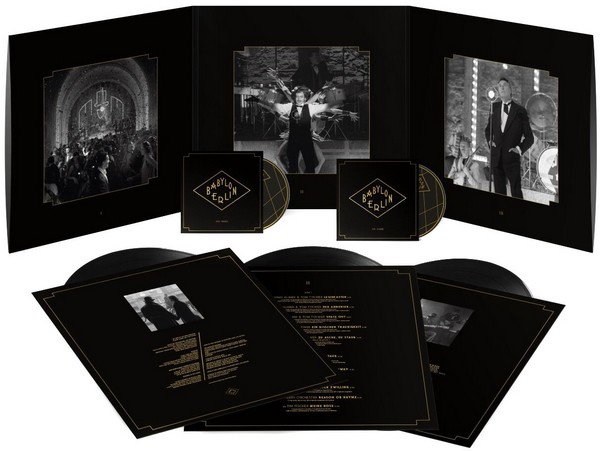
CS: Ritengo che le colonne sonore che hai co-scritto con i sodali Johnny Klimek e Tom Tykwer per i film da quest’ultimo anche diretti, ovvero Perfume: The Story of a Murderer (Profumo: storia di un assassino, 2006), Cloud Atlas (2012, nomination ai Golden Globes come miglior score) e per la serie Babylon Berlin (2017 – 2020), siano un pregevole e sorprendente mix di grandeur sinfonica vecchia scuola e sperimentalismo synth moderno. Come vi suddividete il lavoro e da cosa partite per gli spunti compositivi?
RH: Per prima cosa: ho iniziato la mia collaborazione con loro nel 2013. Quindi quello che puoi sentire in Babylon Berlin sono due mie composizioni che ho scritto diversi anni prima e che praticamente marcivano “nel cassetto”. Per fortuna, Tom mi ha chiesto se potevamo tirarli fuori e metterli a frutto nella serie. È così che ho avuto il mio nome tra i crediti e mi sono sentito parte di questo straordinario progetto.
Per quanto riguarda lo stile di collaborazione: lo abbiamo fatto nel modo più duro. Abbiamo sviluppato principalmente in piccoli duetti: Tom con me o Tom con Johnny, ma poi abbiamo passato ogni idea alla persona successiva e abbiamo combinato tutto. Negli anni è emerso anche l’altro metodo: uno di noi o ha composto un pezzo intero ed è stato solo “prodotto” dagli altri due oppure c’era un piccolo motivo creato da Tom e realizzato da uno di noi: ad esempio il “Cloud Atlas Sextet”, che era un frammento di melodia di Tom che ho lavorato in una pletora di stili per formare una delle colonne portanti del film.
Quasi tutti i modi possibili in cui due o più compositori potrebbero collaborare è stato utilizzato da noi tre nel corso degli anni e sono sicuro che Johnny e Tom lavorino ancora allo stesso modo.
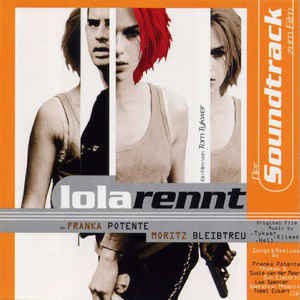
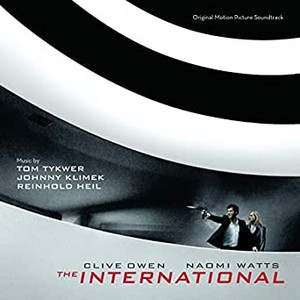
CS: Lola Corre (Lola rennt, 1998), La principessa + il guerriero (Der Krieger und die Kaiserin, 2000), The International (2009) e i succitati film e serie della precedente domanda. Quale tra questi titoli credi rappresenti al meglio il sodalizio visivo-sonoro tra te, Johnny Klimek e Tom Tykwer, e perché?
RH: La cosa più sorprendente della nostra collaborazione nel corso degli anni è la gamma di stili che si sono evoluti. Fondamentalmente abbiamo studiato le colonne sonore dei film mentre andavamo avanti. Nessuno di noi ha studiato il mestiere, quindi tutto è stato imparato facendo, inclusi tutti gli errori e le deviazioni che potresti immaginare. Richiedeva più olio di gomito del necessario, ma con il vantaggio che abbiamo fatto le cose in modo diverso e quindi abbiamo avuto alcuni risultati interessanti che sono stati copiati in tutto il settore.
Quindi, per favore, perdonami se passo oltre questa domanda. Penso che guardare Lola corre, The International e Cloud Atlas ti dia l’idea della gamma di cui sto parlando.
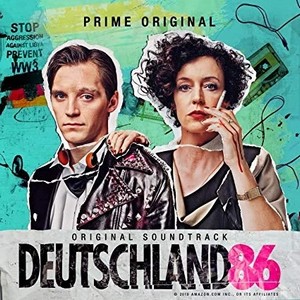
CS: Nella serie drammatico spionistica, giunta alla terza stagione, Deutschland 83 – 86 – 89 il tuo apporto musicale si divide tra sperimentazione sonora quasi rumoristica, elettronica alla Tangerine Dream e ‘scary music’ sintetica ai limiti dell’atonale e dissonante con pochi elementi tematici tonali (vedi l’etereo tema cantato di Nicole nell’ultima stagione). Uno score assai sperimentale. E’ stata una tua proposta improntarlo su queste tipologie d’approccio o un’indicazione della produzione?
RH: Mi piace sempre spingere i confini, ma mai per amore dell’innovazione. Finché serve alla storia e crea atmosfere che si adattino all’atmosfera generale dello spettacolo, è una buona idea per cui lottare. Alcuni registi e showrunner sono interessati a questo tipo di approccio e altri no, e tutti hanno ragione. Sanno cos’è giusto per il loro progetto. Quando ho iniziato a lavorare con Anna e Jörg Winger nel dicembre 2014 ho chiesto loro se volevano una partitura “vintage anni Ottanta” e loro hanno risposto con un sonoro “No”. Volevano una colonna sonora contemporanea e l’ho data loro, ma è comunque eclettica. A volte sono scivolato in quell’atmosfera pop degli anni Ottanta e a volte c’è un tema più tradizionale con archi e pianoforte. In quest’ultima stagione c’erano alcuni nuovi temi con un approccio più sperimentale. Ad esempio, puoi dare un’occhiata a “We do what we've Fiora do”. Una musica piuttosto materica aiuta ancora le emozioni nell’essere storditi, scioccati e profondamente tristi. Sto usando un sintetizzatore a modellazione fisica che crea una tensione che è alla base dello spunto. E in cima hai campane isolate con progressioni di accordi quasi wagneriane. Credo sia possibile quadrare il cerchio. I sintetizzatori non sono più limitati ai timbri della partitura di Scarface di Giorgio Moroder o Blade Runner di Vangelis. Ma non devono nemmeno imitare gli strumenti tradizionali per creare trame e timbri che ti toccano davvero emotivamente.
Sono contento della varietà di suoni che ho a mia disposizione. Non mi manca il passato, anche se tuttavia per un fugace secondo. E spero di poter restare abbastanza a lungo da vedere emergere una tecnologia più interessante. L’unica cosa che mi disinteressa completamente è l’intelligenza artificiale per la musica.
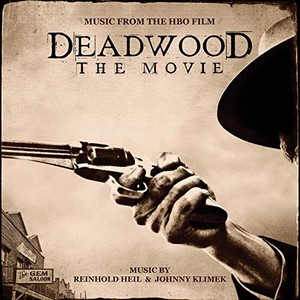
CS: Parlando di serie, hai curato anche le musiche di alcuni episodi del western violento Deadwood (2004 – 2006). Che ricordo ti è rimasto di quel lavoro?
RH: Johnny Klimek ed io eravamo i compositori, non gli editori musicali. C’era un editor musicale molto capace su Deadwood e il suo nome è Micha Liberman! Siamo entrati nell’episodio sei, dopo che David Milch aveva già parlato con altri due eccellenti compositori, David Schwartz e Michael Brook. David Schwartz ha scritto l’iconico tema principale nominato agli Emmy per la serie e quindi ha lasciato un’impronta duratura. Abbiamo composto per il resto della prima stagione ed entrambe le stagioni successive, oltre al film di Deadwood nel 2019.
Il signor Milch non voleva davvero alcun score per la serie, ma HBO ha insistito e in qualche modo siamo finiti lì, i due tizi che avevano scritto Lola corre!
David Milch è uno dei grandi geni della televisione ed è stato un piacere e un privilegio lavorare per lui. Abbiamo imparato molto. Non c’era molta colonna sonora nella serie originale (al contrario del film) ma ci ha permesso di farla franca con un approccio sperimentale. Non so davvero come suonare la chitarra, ma l’ho usata come generatore di suoni, ho improvvisato con uno slide e le mie accordature aperte, ho preso le registrazioni e le ho alterate in paesaggi sonori. Questi sono diventati la base di quasi ogni spunto e “correzione”, ma sopra di essi è stata suonata musica molto sparsa. Ogni suono era realizzato con materiale organico e quindi era appropriato per il periodo ed al contempo era ancora un approccio nuovo e contemporaneo alla musica occidentale.
Il team di Deadwood è stato fantastico. Mi sono divertito durante i nostri incontri e qualche volta abbiamo avuto modo di uscire e pranzare con i pistoleri e le prostitute sul set. Amo tutti coloro che hanno lavorato a questo serial.
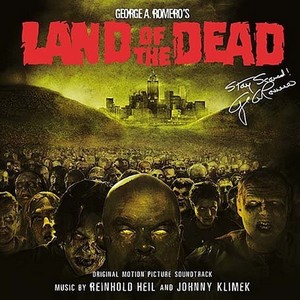
CS: Nel 2005 tue, e di Johnny Klimek, le musiche per Land of the Dead (La terra dei morti viventi) di George A. Romero, il padre degli zombi cinematografici. Com’è stato collaborare con Lui?
RH: È stato fantastico, seppur durante i pochi momenti che abbiamo avuto a che fare con lui. La post produzione è avvenuta a Toronto e ci siamo andati una volta all’inizio e lui è venuto a Los Angeles alcune volte mentre stavamo lavorando alla colonna sonora. Era un uomo molto premuroso, divertente e appassionato, che ha preso le sue critiche alla società ingiusta in cui viviamo e ha inventato le metafore più toccanti. Land of the Dead è il suo film con il budget più alto: 15 milioni di dollari. Ci dava istruzioni molto precise ogni volta che andavamo nella direzione sbagliata e ancora non creava mai quel tipo di atmosfera minacciosa del tipo “licenziamo il compositore, dato che non c’è nessun altro rimasto da mandare via”. Invece è stato sempre costruttivo. Questa spada di Damocle è piuttosto diffusa a Hollywood perché nessuno ha una vera sicurezza del lavoro e le persone a volte sono eccessivamente paranoiche. Niente di tutto questo con George. Sapeva quello che voleva e abbiamo fatto del nostro meglio per darlo a lui. A causa di una riprogrammazione dell’uscita del film, abbiamo finito per esaurire il tempo a disposizione. Uno dei miei più grandi rimpianti è un assolo di violoncello emotivo eseguito da me usando un suono campione primitivo, perché non abbiamo avuto il tempo di assumere un vero violoncellista.
CS: Se dovessi spiegare il tuo stile compositivo, quale dei tuoi lavori cinematici o televisivi prenderesti ad esempio?
RH: Te lo dirò a malincuore: “Distilling Roses” di Profumo si avvicina molto al mio stile. Quel tema si dipana in diversi punti e all’inizio dei titoli finali, sempre con arrangiamenti leggermente diversi. È melodico mentre utilizza ancora un’ampia progressione di accordi a tre o quattro voci. Questa è la mia cosa. Amo gli accordi che non sono semplici triadi strette. C’è anche quella seconda parte di “Prologue, the Highest Point”.
CS: Cosa significa Musica per Immagini?
RH: La musica è la più astratta delle arti. Non puoi nemmeno parlarne davvero. Ascoltando musica pura finisce per piacerti o no (o ballare) e non puoi nemmeno dire perché. Va dritto alla giugulare emotiva.
Non appena la combini con l’immagine puoi sbagliare in così tanti modi (di cui sono stato colpevole in varie fasi del mio lavoro).
Puoi essere troppo sul volto. Puoi distruggere l’emozione che c’era già. Puoi essere troppo importante o troppo debole per aiutare una scena forse leggermente imperfetta.
Ma quando è fatta bene, la musica può aggiungere qualcosa che eleva la storia, aiuta a guidare delicatamente lo spettatore e l’aiuta a capire le connessioni tra le sezioni che sono lontane l’una dall’altra sulla timeline. Può essere emotiva, ma in un modo un po' ambiguo e semplicemente evocativo, in modo da lasciare lo spazio dello spettatore per aggiungere il proprio angolo alla storia.
La cosa più importante quando si inizia a scrivere per immagini è conservare la natura profonda, inconscia e misteriosa della musica pur rimanendo guidati dalle immagini e dalla storia. Puoi sempre pensarci troppo in seguito e ordinare le idee, ma quando crei da zero è importante mantenere un flusso di improvvisazione. Finché il lavoro non è imitare pedissequamente la musica temporanea, nel qual caso diventa un lavoro. Fare musica non dovrebbe mai essere solo un lavoro.
English Version:
Colonne Sonore: What was the path that led you towards music applied to images?
Reinhold Heil: I studied classical music production and then became a rock musician and subsequently a pop producer. Scores like Alien (1979) and Blade Runner (1981) evoked in me the desire to eventually work for movies. It only took another 15 years and profound boredom with working on other people's music for me to actually get into in my first collaborations with filmmakers. By then I was seriously addicted to good scores but till a bit insecure if I was actually cut out to do this.
CS: What are your compositional reference points from which you draw inspiration when writing music for films or series?
RH: All my musical influences and previous experiences are forming the pool I draw from. It's a big swamp of stuff that I try to never clean up since it's semi conscious when I create and often it feels like the idea is handed to me by something I don't understand. Others call it god. I don't. It's the swamp.Then there's the temp music. That's what somebody else thinks would be a good reference. Often it is actually helpful and inspiring and sometimes it's just the opposite: paralyzing. But, no matter the quality of the temp, its pacing is often what the picture editor worked with. So even when I dismiss the temp and try to convince the filmmaker of a different approach, I try to keep an ear on the pacing, tempo and shifts of the temp, since they are very deliberately placed by the filmmakers. If I ignore the pace, my chances to place my own ideas go down the drain fast.
CS: I believe that the soundtracks you co-wrote with your associates Johnny Klimek and Tom Tykwer for the films he also directed, namely Perfume: The Story of a Murderer (2006), Cloud Atlas (2012, Golden Globes nomination for best score) and for the Babylon Berlin series (2017 - 2020), are a remarkable and surprising mix of old school symphonic grandeur and modern synth experimentalism. How do you divide the work and what do you start from for compositional ideas?
RH: For one: I ended my collaboration with them in 2013. So what you can hear in Babylon Berlin are two compositions of mine that I wrote several years earlier and were basically rotting "in the drawer". Thankfully, Tom asked me if they could pull them out and put them to good use in the series. That's how I got to have my name on it and feel part of this remarkable project. As for the style of collaboration: we did it the hard way. We mostly developed in small duos: Tom with me or Tom with Johnny, but then passed every idea down to the next person and messed it all up together. During the years the other method also emerged: one of us either composed a full piece and it was only "produced" by the other two or there was a little motif created by Tom and realized by one of us (e.g. the Cloud Atlas Sextet, which was a melody snippet of Toms that I worked into a plethora of styles to form one of the backbones of the movie).
Pretty much any possible way that two or more composers could collaborate has been used by the three of us over the years and I'm sure Johnny and Tom still work the same way.
CS: Lola rennt, 1998, Der Krieger und die Kaiserin, 2000, The International (2009) and the aforementioned films and series of the previous question. Which of these titles do you think best represents the visual-sound partnership between you, Johnny Klimek and Tom Tykwer, and why?
RH: The most astonishing thing about our collaboration over the years is the range of styles that evolved. We basically studied film scoring as we went along. None of us studied the craft so everything was learned by doing, including all the mistakes and detours you could imagine. It required more actual elbow grease than necessary but with the advantage that we did stuff differently and hence had some interesting results that have been copied throughout the industry.
So please forgive me if I sort of pass on this question. I think looking at Run Lola Run, The International and Cloud Atlas gives you the idea of range I am talking about.
CS: In the spy drama series, now in its third season, Deutschland 83 - 86 - 89 your musical contribution is divided between almost noisy sound experimentation, electronic Tangerine Dream and synthetic 'scary music' bordering on tonal and dissonant with few elements tonal themes (see Nicole's ethereal sung theme in the last season). A very experimental score. Was it your proposal to imprint him on these types of approach or an indication of production?
RH: I always like to push boundaries but never for the sake of innovation. As long as it serves the story and creates atmospheres fitting the overall vibe of the show, it's a good thing to strive for.
Some directors and show runners are interested in that kind of approach and some are not, and all of them are right. They know what's right for their project.
When I started the work with Anna and Jörg Winger in December 2014 I asked them if they wanted a "vintage Eighties" score and they responded with a resounding "no". They wanted a contemporary score and I gave them that but it's still eclectic. Sometimes I slipped into that Eighties pop vibe and sometimes there's a more traditional theme with strings and piano. In this last season there were a few new themes with a more experimental approach. As an example you can check out "We do what we've Fiora do". A pretty textural music still helps the emotions of being stunned, shocked and profoundly sad. I'm using a physical-modeling synthesizer that creates a tension that is the basis of the cue. And on top you have isolated bells with almost Wagnerian chord progressions. I believe it's possible to square the circle. Synthesizers are no longer confined to the timbres of the Scarface score by Giorgio Moroder or Blade Runner by Vangelis. But they also don't have to imitate traditional instruments in order to create textures and timbres that truly touch you emotionally.
I'm happy about the variety of sounds I have at my disposal. I don't miss the past, if even for a fleeting second. And I hope I can stick around long enough to see more cool technology emerge.
The only thing I'm thoroughly disinterested in is Artificial Intelligence for music.
CS: Speaking of series, you also edited the music for some episodes of the violent western Deadwood (2004 - 2006). What memory do you have left of that job?
RH: Johnny Klimek and I were the composers, not the music editors. There was a very capable music editor on Deadwood and his name is Micha Liberman! We came in on episode six, after David Milch had already gone through two excellent other composers, David Schwartz and Michael Brook. David Schwartz wrote the iconic, Emmy-nominated main title for the show and thus left a lasting footprint. We scored the rest of season one and both seasons that followed as well as Deadwood, the Movie in 2019. Mr. Milch didn't really want any score at all for the show but HBO insisted and somehow we slipped in there, the two dudes who had scored Run Lola Run! David Milch is one of the great geniuses of Television and it was a pleasure and a privilege to work for him. We learned a lot. There wasn't much score in the original
series (as opposed to the movie) but he let us get away with an experimental approach. I really don't know how to play the guitar but I used it as a sound generator, improvised with a slide and my own open tunings, took the recordings and mangled them into soundscapes. These became the basis of almost every cue and "proper", but very sparse music was played on top of them. Every sound was made from organic material and thus was period-appropriate while still a new and contemporary approach to western scoring.The team on Deadwood was fantastic. I had the best time during our meetings and sometimes we got to hang and have lunch with the gunslingers and prostitutes on set. I love everybody who worked on this show.
CS: In 2005 yours, and Johnny Klimek's, the music for Land of the Dead by George A. Romero, the father of cinematic zombies. What was it like collaborating with him?
RH: It was great during the few moments we actually had with him. Post production happened in Toronto and we went there once at the beginning and he came to LA a few times while we were working on the score. He was a very thoughtful, funny and passionate man who took his criticism of the unfair society we live in and came up with the most poignant metaphors. Land of the Dead is his highest budget movie at a whopping $15 million. He gave us very precise instructions whenever we went in the wrong direction and still didn't ever create that kind of threatening vibe of "let's fire the composer, since there's nobody else left to fire." Instead he was always constructive.
This Sword of Damocles is pretty prevalent in Hollywood because nobody has true job security and people are overly paranoid sometimes. None of that with George. He knew what he wanted and we did our best to give it to him. Due to a re-scheduling of the release we ended up running out of time. One of my biggest regrets is an emotional cello solo performed by me using a primitive sample sound because we didn't have the time to hire a real Cellist.
CS: If you had to explain your compositional style, which of your cinematic or television works would you take as an example?
RH: I'll reluctantly indulge you: "Distilling Roses" from Perfume comes pretty close. That theme happens in several spots and at the beginning of the end titles, always in slightly different arrangements. It's melodic while still using a wide three- or four-voice chordal progression. That's my thing. I love chords that aren't simple narrow triads. There's also that second part of "Prologue, the Highest Point".
CS: What does Music for Pictures mean?
RH: Music is the most abstract of arts. You can't even really talk about it. Listening to pure music you end up either liking it or not (or dancing) and you can't even say why. It goes straight for the emotional jugular.As soon as you combine it with picture you can go wrong in so, so many ways (all of which I've been guilty of at various stages of my work.)
You can be too on-the-nose. You can destroy the emotion that was already there. You can be too self-important or too weak to help a maybe slightly flawed scene. But when it's done right, music can add something that elevates the story, helps gently guide along the viewer and helps her understand connections between sections that are far from each other on the timeline. It can be emotional, but in a somewhat ambiguous and simply evocative way, as to leave the viewer room to add their own angle to the story.The most important thing when beginning to write for picture is to retain the deep, unconscious and mysterious nature of music while being still being guided by the images and the story. You can always overthink it later and sort the ideas but when creating from scratch it's important to keep an improvisational flow. As long as the job is not to slavishly imitate the temp music, in which case it becomes a job. Music making should never just be a job.